Real sport, real teammates, with the rules and gear adapted to you.
Adaptive sports are sports changed so disabled people can play them fully: wheelchair basketball and rugby, sitting volleyball, climbing with modified holds and belay systems, skiing on a sit-ski or with a guide, and dozens more. You do not need to own any specialist equipment to start. Local adaptive programs lend the sport chairs, sit-skis and harnesses, and their coaches and volunteers adjust everything to how your body works. Most people come for the exercise and stay for the teammates. Competition is there if you want it, with classes that keep games fair.
Difficulty
beginner-friendly
Startup cost
$25-$230
First result
Playing a real game or full climb at your first try-it session
Zone 01
Directions
Gym bag total$0.00
01
Where people usually start
Five ways beginners start
Wheelchair Court SportsBasketball, rugby and tennis played from a sport chair, open to many people who walk day to day as well as everyday wheelchair users.+
Start here
Look up the nearest wheelchair basketball team and ask to join a practice; most teams have loaner sport chairs and welcome walk-in newcomers.
Sitting VolleyballA fast game on a smaller court with a low net, played sitting on the floor; popular with amputees and people with leg or hip impairments.+
Start here
Ask local volleyball clubs or adaptive programs whether they run a sitting session, then go in clothes you can slide on the floor in.
Adaptive ClimbingIndoor climbing with adapted belay systems, a guide calling holds for blind climbers, or a hauling setup for people climbing mostly with their arms.+
Start here
Book an adaptive climbing night at a gym that partners with an adaptive climbing group; the staff fit the harness and rig the belay for you.
Adaptive Snow SportsSkiing or snowboarding on a sit-ski, with outriggers, tethered to an instructor, or following a guide's voice.+
Start here
Book a first lesson with an adaptive ski school before the season fills up and tell them about your needs when you book so they bring the right equipment.
Adaptive SwimmingLessons and lane swimming with adapted strokes, a pool lift or ramp entry, and an instructor who works with your range of movement.+
Start here
Ask your local pool whether it runs adaptive swim sessions or has a pool lift, then book a lesson with an instructor who has taught disabled swimmers.
Open a card to see what to do first. Each one ends in a button that adds that sport's small gear to the kit; the program supplies the chair, sit-ski or harness.
02
Your first month
A session in a school sports hall
03
Getting the specialist equipment
■Do not buy a sport wheelchair, sit-ski, prosthetic or other adaptive equipment online as a beginner. It has to be fitted to your body, and a poor fit can cause injury.
■Use program loaner equipment for your first season. Coaches will see what setup suits you and can suggest an honest size and spec.
■When you are ready to own gear, get fitted through the program, a seating specialist or your prosthetist, and ask about adaptive sports grants and used gear from team members.
■Your everyday mobility aids, hearing aids or communication devices stay as they are; ask the coach how to store or use them safely during play.
Courtside before a game
04
Classification, explained simply
Classification groups athletes so competition is decided by skill rather than by the type or level of impairment. You do not need a class to practice or play recreationally, and many people never get one. If you start competing, trained classifiers review your medical documentation and watch how you move during the sport, then assign a class or point value. In wheelchair basketball, for example, each player gets a point value and the five on court cannot add up to more than a set total, which keeps teams balanced. Special Olympics uses a different approach, grouping athletes with intellectual disabilities into divisions by age, gender and ability so every heat is close.
▲Your clinician knows your body; ask them about anything specific to you before you start, such as skin protection, temperature control or joint load.
▲Tell the coach about your needs and any warning signs before each session, and agree how you will signal that you need to stop.
▲Drink regularly, and take extra care in heat if your body cools itself less well than others'.
▲Check your skin and any pressure points after sessions while you get used to new equipment.
▲Let the program fit and adjust any belt, strap or harness rather than doing it yourself at first.
06
What trips beginners up
×Programs can be far away or seasonal. Expect some driving, and look at carpooling with teammates.
×The first sessions are tiring in new ways: different muscles, a new chair, a new way of moving.
×Sport chairs and sit-skis feel unstable at first; most people feel at home within a few sessions.
×Do not buy expensive specialist gear before you have played a season on loaner equipment.
×Do not judge a sport by one session with a badly fitting loaner; ask for adjustments and come back.
×Do not skip asking for what you need. Coaches would rather adapt a drill than watch you struggle in silence.
Out on a group walk
07
Programs, funding and lessons
Adaptive sports networks list local member programs, and sport-specific associations list teams. Veterans can also ask their VA medical center about adaptive sports programs. Once you commit to a sport, equipment grants can cover a large part of the cost of a fitted sport chair or sit-ski.
Programs supply the specialist equipment, so this list is just the general kit that makes sessions easier: something to drink, clothes you can move and sweat in, and a bag to carry it all. Each sport then adds a few small items, such as pushing gloves for court sports or warm layers for the snow. Your first try-it session or clinic fee is the real first purchase.
09
Pack your gym bag
Every line, with its options side by side
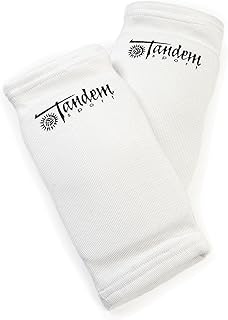
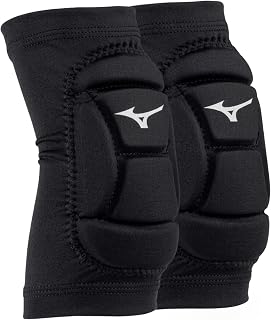
The first line is not something you buy online: it is the try-it session or program fee, paid to the program. For the rest, compare the options on each line, then set your tiers and check out from the cart. Clicking a card selects it there, and clicking the selected card again takes that line out. The water bottle, shirt, bag and towel start in the kit. Each sport's lines join when you switch it on: pushing gloves for Wheelchair Court Sports, elbow pads for Sitting Volleyball, a chalk bag and chalk ball for Adaptive Climbing, warm layers, goggles and mittens for Adaptive Snow Sports, and goggles for Adaptive Swimming.
No. 01
Adaptive sports try-it clinic or program fee
Essential · Programs
A program gives you fitted loaner equipment, a trained coach and teammates, which is the safe way to try any adaptive sport.
Not sold on Amazon · paid to the program
Not sold on Amazon. Look for a member program of a national adaptive sports network, a local team or a parks department adaptive recreation office. Try-it days are often free; regular sessions often run from free to about $50 a month.
No. 02
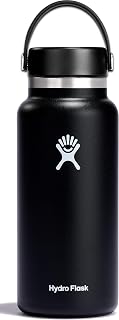
Insulated sports water bottle
Essential · Hydration
You will drink more than you expect in a new sport, and a big insulated bottle keeps water cold through a whole practice.
✓ In kitbudget
Actives Insulated Stainless Water Bottle with Insulated Spout Lid, 32oz, Onyx
Choose a size that is easy for you to get on and off; looser fits are simpler with limited shoulder movement. The mid-priced option comes in Men's and Women's cuts, so pick Men's or Women's.
No. 04
Sports duffel bag
Recommended · Carry
Keeps clothes, water and small gear together so you can get to practice and change quickly.
✓ In kitbudget
Ultimate Gym Bag 2.0: The Durable Crowdsource Designed Duffel Bag with 10 Optimal Compartments Including Water Resistant Pouch
A shoulder strap and wide zipper make it easier to carry on a wheelchair or with crutches.
No. 05
Quick-dry microfiber towel
Recommended · Comfort
A light towel for sweat during breaks, and for drying off after the pool or the snow.
✓ In kitbudget
OlimpiaFit Quick Dry Towel - 3 Size Pack of Lightweight Microfiber Travel Towels w/Bag - Fast Drying Towel Set for Camping, Beach, Gym, Backpacking, Sports, Yoga & Swim Use
Pushing a sport chair hard for an hour blisters bare hands, and grippy padded gloves protect your palms and help you stop and turn.
✓ In kitbudget
Cycling Gloves for Men Full Finger BMX Bike Mountain Bike Gloves Grips Bicycle Touchscreen MTB Gloves Padded Anti-Slip Riding Gloves for Men Women Wheelchairs Road Bike
BTR Wheelchair Gloves for Men and Women | Mobility and Disability Gloves with Breathable, Lightweight Design, Non-Slip Grip, and Padded Palm Protection
Size by measuring around your palm. Full-finger or half-finger is personal preference; many players like open fingertips for handling the ball. Gloves only; leave the sport chair to your program.
Oso Supply Co - Classic Chalk Bag for Rock Climbing, Bouldering Chalk Bag Bucket with Quick-Clip Belt, Zippered Pockets and Pouch - Perfect Indoor/Outdoor Rock Climbing Gear Equipment
Chalk Ball 3 oz with Storage Bag - Premium Chalk for Rock Climbing, Weightlifting, Gymnastics, Crossfit & More - Mess Free Gym Chalk with Refillable Sock - Natural Drying Formula