Run, ride, paddle and navigate as a team to the finish.
If you own a mountain bike, running shoes and a daypack, you already have most of what a first race takes. Adventure racing is a team endurance sport where you cover unmarked country on foot, by mountain bike and by canoe or kayak, finding checkpoints with nothing but a paper map and a compass. GPS is banned, so the team that reads the map best often beats the team that moves fastest. Beginner sprint races last 3 to 8 hours, are held in local parks, and usually supply the boats, paddles and life jackets. It feels like a real expedition squeezed into a Saturday, and finishing depends on your teammates as much as your fitness.
Difficulty
Moderate learning curve
Startup cost
$230-$900
First result
Your first sprint-race finish 6 to 10 weeks after you start training
CP 01
Overview
Gear-check total$0.00
01
What a race actually looks like
Trek, ride, paddle, punch the checkpoint
You and one to three teammates arrive at a park, pick up maps marked with checkpoints, and plot a route before the start. The course then rotates between legs: trekking or trail running, mountain biking on dirt roads and singletrack, and paddling a canoe or kayak, with transition areas where you swap gear. At each checkpoint you punch a card or tap an electronic tag to prove you were there. Teams stay within shouting distance at all times and finish together. Most beginner races are ranked by checkpoints found, then by time, so a team that skips a few hard ones and finishes on time still gets a result.
02
Race lengths to work through
Sprint races (3 to 8 hours)Daylight courses and the right first race. Everything you need is in the base kit.+
Start here
Pick a sprint race 6 to 10 weeks out on the race calendar, sign up a team of two, and start one weekly run, ride and map session.
Overnight Races (12 to 36 hours)Longer legs, navigation at dusk and dawn, and a gear bin waiting at transitions. They add lighting and comfort gear for racing through the night.+
Start here
After one or two sprints, enter a 12 to 24 hour race with the same team and do one practice outing that runs past dark so you can test lights and night navigation.
Expedition races (36 hours to several days)Sleep becomes a tactical choice and teams often need ropes or whitewater skills. Plan to do several overnight races first; the same overnight gear carries over.+
Start here
Read how expedition races differ, then crew or volunteer at one before you race it, so you see sleep planning and gear transitions up close.
▲Every race publishes a mandatory gear list and many check it at the start or at random checkpoints. Missing an item can mean time penalties or disqualification, so check yours against the list rather than this page.
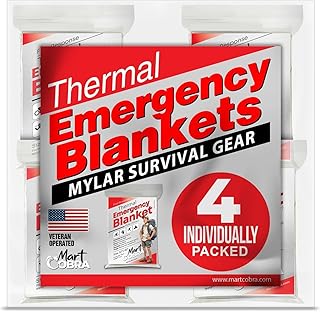
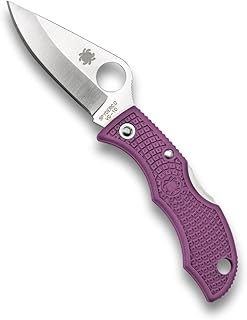
▲Most races require a whistle, a headlamp, an emergency blanket and a helmet per racer, plus a compass, first aid kit, small locking knife and a charged phone per team.
▲A GPS watch can usually record your track if the race director approves it first. Using any GPS to navigate gets a team disqualified.
▲Paddle legs require a life jacket worn and buckled; races usually supply them, so confirm before buying one.
▲Wet clothing plus wind is how racers get hypothermic, even in summer. Pack a rain shell and avoid cotton layers.
▲Stay together. If a teammate gets hurt, use the emergency number on your race map and the whistle to signal, and do not split up to look for help unless instructed.
06
What trips beginners up
×Expect to get lost at least once. Even experienced teams overshoot checkpoints; the skill is noticing quickly and relocating.
×Expect the bike leg to take longer than you think, because hike-a-bike sections and route choices slow everyone down.
×Expect sore hands, shoulders and feet you did not train, especially from paddling and the pack.
×Do not start too fast. Teams that sprint the first leg often walk the last one.
×Do not let one person navigate alone. Have a second teammate track the map so mistakes get caught early.
×Do not race in brand-new shoes or with an untested pack. Rubbing that seems minor at hour one becomes blisters by hour four.
×Do not skip eating because you are busy navigating. Set a timer if you need to.
A trail runner mid-leap on a rocky ridge
07
How much training it takes
Weekly split
Expect four to six hours of training a week for a sprint if you already exercise: two hour-long sessions, one weekend outing of two to three hours that mixes biking and running, and a short map session. Overnight races call for back-to-back long weekend days and at least one practice outing in the dark. Train with your teammates when you can, since learning each other's pace matters as much as fitness.
08
Where to learn
The national governing body's beginner section covers each discipline, the race vocabulary and how to prepare, all free. For navigation, nothing beats a local orienteering club: most hold inexpensive meets with a beginner course and volunteers who will teach you to take a bearing. Many race organizers also run free or cheap navigation clinics the day before a race, so check the event page.
The list mirrors a typical sprint-race mandatory gear list, so most lines are small, cheap items you buy once and reuse every race. The big costs are things you may already own: a mountain bike (any hardtail with working brakes is fine, and some races or shops rent them; gravel and cyclocross bikes are usually not allowed) and running shoes. Team items (compass, first aid kit, knife, phone pouch) are needed once per team, so split them with your partner. The Overnight Races add-on covers what changes once you race through the night.
10
Pack the mandatory gear
Every line, with its options side by side
The first line is not something you buy online: it is your race entry. The rest follows a typical sprint gear check, and the last three lines join the kit only when you switch on Overnight Races. Clicking a card selects it, and clicking the selected card again takes that line out.
CP 01
Sprint adventure race entry
Essential · Race entry
The race is the hobby: it provides the course, the maps, the boats and the safety cover you cannot easily set up yourself.
Not sold on Amazon
Not sold on Amazon. Find events on the USARA race calendar; sprint entries usually run $60 to $150 per racer, and USARA-sanctioned races may add a one-day membership fee for insurance. Check that boats and life jackets are included.
CP 02
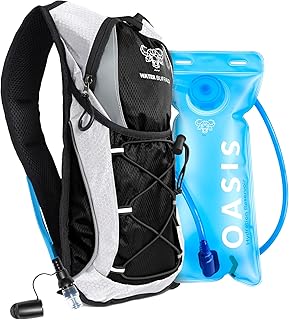
Hydration pack with water bladder
Essential · Core equipment
You carry water, food and the mandatory gear for every leg, and a pack with a drinking tube lets you sip without stopping.
✓ In kitbudget
Water Buffalo Hydration Backpack - Lightweight Hydration Pack with 2L Water Bladder - Water Backpack for Hiking, Running, Biking, and Raves - Road Runner 12L Hydropack Backpack
Teton Oasis Trailrunner Hydration Backpack – Lightweight Water Pack with 2L/3L Bladder for Hiking, Running, Cycling, Biking 18L/22L Sizes – Sewn-in Rain Cover – Fits Men and Women
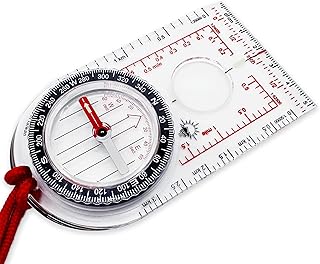
Outdoor Compass, Classic, Small Compass for Beginners and Kids, Map Scales 1:25k and 1:50k, Rotating Compass Case, Hiking Compass, Walking Compass, Mini Compass
Required once per team, but it helps if two teammates each carry one. A clear baseplate with a rotating bezel and ruler edge is all you need; skip mirror sighting and declination screws for now.
CP 04
Headlamp
Essential · Safety gear
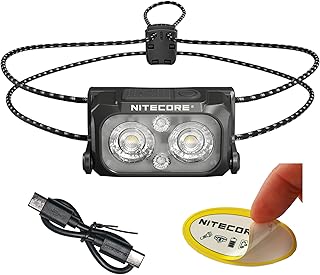
Most races require a working headlamp per racer even for daytime sprints, in case a team finishes after dark.
✓ In kitbudget
Energizer PRO-260 LED Headlamp, IPX4 Water Resistant Headlamps, High-Performance Head Light for Outdoors, Camping, Running, Storm, Survival LED Light for Emergencies (Batteries Included)
A basic model is enough for sprints. Charge it the night before and check it sits snugly over your bike helmet.
CP 05
Mountain bike helmet
Essential · Safety gear
A certified helmet with a chin strap is mandatory on every bike leg, and race directors will not let you start the leg without one.
✓ In kitbudget
Thrasher Helmet for Adults, Size 58-62 cm for Riders Ages 14+, Microshell, Adjustable Dial & Straps, Interior Padding, Air Vents, Visor, Adult Bike Helmet
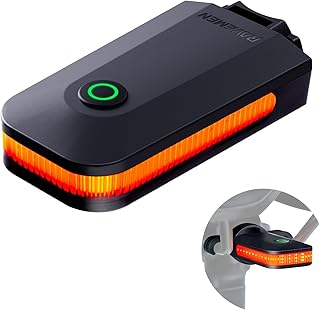
A sealed, water-resistant light that clips to the seat post is ideal.
CP 07
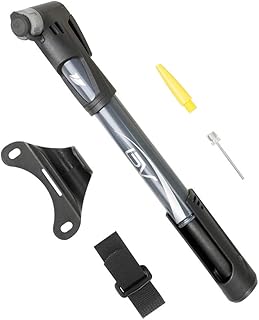
Mini bike pump
Essential · Bike gear
A flat tire mid-course is common, and races expect each team to fix its own.
✓ In kitbudget
BV Mini Bike Pump Portable Frame Pump, Shock Pump for Bike Shock, Air Ball Pump Inflator with Ball Pump Needles, Mini Pump Fits Presta & Schrader- Smart Valve
You will wear them for every leg, including biking on flat pedals, so break them in on long training days. Your current running shoes are fine for a first sprint. Pick Men's or Women's on the option.
CP 16
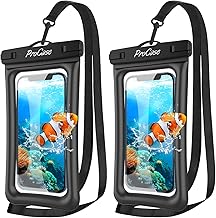
Waterproof map case
Recommended · Navigation
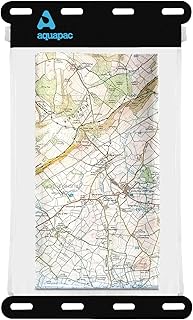
Paper race maps turn to pulp in rain, sweat or a capsized boat, and you only get one set.
✓ In kitbudget
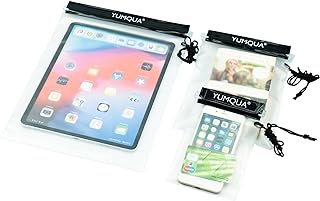
Waterproof Pouch Dry Bags Document Map Holder for Water Sport 3PACK
A light shell with taped seams is the goal; spend more only if you also want it for everyday hiking, since brush and bike falls tear jackets. Pick Men's or Women's on the option.
CP 18
Energy chews
Recommended · Consumables
You will burn far more than you can eat, and chews are easy to eat while biking or walking a bearing.
✓ In kitbudget
Organic Fruit Smoothie Energy Chew, Gluten Free & Caffeine Free, for Exercise, Running and Performance, Sports Nutrition for Home & Gym, Pre and Mid Workout, 21.6 Ounces (Pack of 12)
Bolt Energy Chews Variety Pack – Organic Vegan Sports Gummies with Electrolytes & B Vitamins for Running & Cycling, Fast Carb Fuel, Gluten Free, Non-GMO (12 Pack), Flavors May Vary
Plan on one serving every 45 minutes or so, mixed with real food like bars and salty snacks. Try them in training first.
CP 19
Water purification tablets
Recommended · Consumables
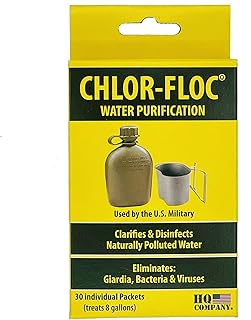
Some races require a way to treat water, and refilling from a creek is often the only option on long legs.
✓ In kitbudget
Potable Aqua Water Purification Treatment - Portable Drinking Water Treatment for Camping, Emergency Preparedness, Hurricanes, Storms, Survival, and Travel (50 Tablets), Black, single pack
Aquatabs 49mg Water Purification Tablets (30 Pack). Water Filtration System for Hiking, Backpacking, Camping, Emergencies, Survival, and Home-Use. Easy to Use Water Treatment and Disinfection.
Tablets are light and need no maintenance; mind the wait time printed on the pack before drinking.
CP 20
Rechargeable bike headlight
Situational · Bike gear · Overnight Races add-on
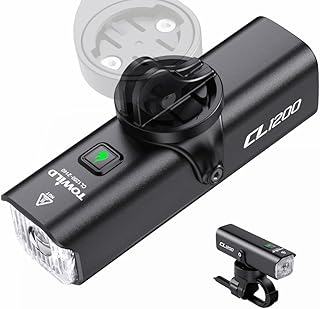
A headlamp alone is not bright enough for descending singletrack at night; a bar light shows the trail ahead.
✓ In kitbudget
CL1200 Bike Lights for Night Riding,Compatible with Garmin/GoPro Mount,1200 Lumen Bike Headlight,5000mAh Rechargeable Battery,Waterproof Bike Light for Commuter Cyclists
Lumina 1200 Boost USB Rechargeable Bike Light Powerful Lumens Bicycle Headlight LED Front Light Easy to Install for Men Women Road Mountain City Commuting Adventure Cycling Safety Flashlight