Skip to content

Starter guide

Bokashi

Pickle your kitchen scraps in a sealed bucket and feed them to your soil.

Bokashi is a way of fermenting food waste instead of rotting it. You pack kitchen scraps into an airtight bucket, dust each layer with bran that carries lactic acid bacteria and yeasts, and keep the lid shut. Two weeks after the bucket is full, the scraps look much the same but smell like pickles, and once buried they break down into soil in about a month. People take it up because it fits under a sink, handles the meat, dairy and cooked leftovers a compost pile cannot, and takes about two minutes a day.

Difficulty
beginner-friendly
Startup cost
$75-$200
First result
Liquid fertilizer in about a week, and a fermented bucket ready to bury in 4 to 6 weeks
Shelf total$0.00
01

What it actually involves

The daily part is small: scraps in, bran on, lid shut. The part people do not expect comes at the end. What leaves the bucket is not compost. It is acidic, preserved food that soil life finishes off quickly once you bury it, so every bucket ends with a short digging job and a wait before you can plant there.

A hand lifting a fistful of dark, crumbly soil out of a tub
A fistful of dark soil from a tub
02

Your first bucket, start to finish

What you can make in your first month

Bokashi tea

The first few tablespoons of amber liquid usually reach the spigot within a week, ready to dilute and pour on houseplants.

A full, sealed bucket

Two to four weeks of scraps pressed down in layers, topped with bran and shut for its two-week ferment.

A pickled batch

Fill the bucket in two weeks and by week four you open it to scraps that kept their shape, smell sweet and sour, and may wear a coat of white fuzz.

03

What goes in the bucket

Yes

Fruit and vegetable scraps, cooked leftovers, bread, rice, pasta, coffee grounds, tea leaves, eggshells and wilted flowers.

Yes, with extra bran

Meat, fish, cheese and small bones. The bones come out pickled but whole and take much longer to vanish in soil.

Drain first

Anything wet. Pour off soup, sauce, milk and cooking oil, because free liquid drowns the ferment and makes it stink.

Never

Food that has already gone moldy or rotten. It brings in the wrong microbes and can turn the whole bucket.

Not worth it

Paper, cardboard and yard waste. They take up room and the bacteria get little from them.

Hands peeling a zucchini over a wooden cutting board, a curl of green peel on the board
Peeling a zucchini over a board
04

Choosing a bucket and keeping it working

Lid

This matters most. It should seal airtight and be easy to close properly every time, since a lid left slightly ajar is the usual cause of a failed batch.

Spigot and grate

A raised grate keeps scraps out of the liquid and a tap lets you drain it without opening the lid. Check that the tap sits high enough to get a cup under.

Size

About 5 gallons suits a household of two to four and takes two to four weeks to fill. Smaller buckets fill before you are ready to bury them.

One bucket or two

A single bucket leaves you nowhere to put scraps during the two-week ferment. With two, one fills while the other sits.

Before each use

Rinse the empty bucket with plain water, run water through the tap to clear bits, and make sure the tap is closed before the first scraps go in.

Where to keep it

Indoors at 60 to 80 degrees, out of direct sun. A sealed bucket has no smell, so under the sink or in a pantry works.

A hand digging a hole with a green trowel in a raised bed of dark soil
05

Where the fermented scraps go

A bed, a tub of soil or a compost pile

In a garden bed

Dig a trench 8 to 12 inches deep, mix the ferment with two to three times as much soil, and cover it with at least 6 inches of plain soil so animals leave it alone.

In a tub of soil

With no garden, layer one part ferment with three parts old potting soil in any lidded tub or large planter you already have. In four to six weeks it is rich potting mix.

In a compost pile

Fork it into the middle of the pile, where it heats things up and disappears faster than fresh scraps would.

Roots and timing

Fresh ferment is acidic enough to burn roots. Wait two weeks in warm soil and four in cold soil before planting, and dig outside the drip line of trees and shrubs.

In winter

Frozen ground is no reason to stop. Sealed buckets keep for months, so stack them somewhere cool and bury them in spring.

06

What trips beginners up

Reading the mold

White fuzz is the good yeast and fungus at work. Green, blue or black mold with a rotten smell means air got in, and that batch should be buried deep with extra bran, away from plants.

Skimping on bran

A putrid smell on opening almost always means too little bran or too much liquid. Add a generous layer and drain the tap daily until it sours again.

Forgetting the tap

Liquid left under the grate for a week goes foul and can take the batch with it.

A dry bucket

Bread, peels and coffee grounds give up very little liquid. An empty tap is normal and does not mean the ferment failed.

Using the liquid straight

Undiluted, it scorches roots. Even diluted, pour it on the soil and keep it off the leaves.

07

Where to learn more

Two university extension services publish short, free guides that agree on the basics and are honest about what bokashi does not do. For troubleshooting, the bokashi forum on Reddit is the busiest place to post a photo of a bucket and ask whether it has gone wrong.

08

Why the kit looks like this

The bucket is a one-time purchase and the bran is the running cost: a household of two to four gets through roughly two pounds every two to three months. The bucket and bran are all you need for the ferment itself. The watering can and trowel cover the two jobs every bucket creates, diluting the liquid and burying the scraps, and many people own both already. The counter caddy is a convenience.

A pale blue watering can beside a potted snake plant against a pink wall
09

Stock the under-sink shelf

A bucket, a bag of bran and two tools for what comes out

Compare the options on each line, then set your tiers and check out from the kit list. Clicking a card selects it there, and clicking the selected card again takes that line out. The counter caddy stays out of the total until you switch it on.

Bokashi bucket with spigot

Essential · Core equipment

The ferment only works without air, so you need a bucket with an airtight lid, a grate to hold scraps out of the liquid, and a tap to drain it.

budget
SCD Probiotics Indoor Composter Bucket – 5 Gallon, Tan Compost Bin for Kitchen Countertop with Lid, Spigot and Strainer for Easy Start Bokashi Composting

SCD Probiotics Indoor Composter Bucket – 5 Gallon, Tan Compost Bin for Kitchen Countertop with Lid, Spigot and Strainer for Easy Start Bokashi Composting

4.1(48)

$57.95

View on Amazon
mid-range
Indoor Bokashi Composter Starter Kit- Beige, 2.2 lb Premium Bokashi Bran Included, Easliy Turn Your Kitchen Wastes into Nutrition for Your Garden Soil

Indoor Bokashi Composter Starter Kit- Beige, 2.2 lb Premium Bokashi Bran Included, Easliy Turn Your Kitchen Wastes into Nutrition for Your Garden Soil

4.4(207)

$69.00

Only 7 left in stock - order soon.

View on Amazon
premium
Premium Bokashi Composting Starter Kit (Includes 2 Bokashi Bins, 4.4 lbs of Bokashi Bran and Full Instructions

Premium Bokashi Composting Starter Kit (Includes 2 Bokashi Bins, 4.4 lbs of Bokashi Bran and Full Instructions

4.5(216)

$143.00

View on Amazon

Many buckets ship with a starter bag of bran, enough for about one fill. A bucket sold on its own needs the bran below from day one. A two-bucket kit costs more up front but lets one bucket ferment while you fill the other.

Bokashi bran

Essential · Consumables

The bran carries the bacteria and yeasts that pickle the scraps. Without it the bucket rots.

budget
TeraGanix TCM Premium Bokashi Bran, Compost Accelerator, 2 lb Rice Bran Mix

TeraGanix TCM Premium Bokashi Bran, Compost Accelerator, 2 lb Rice Bran Mix

4.1(206)

$19.70

Only 2 left in stock - order soon.

View on Amazon
mid-range
All Seasons Bokashi Compost Starter 2 lbs (1 Gallon) - Dry Bokashi Bran for Kitchen Compost Bin, Compost Food Pet Waste Quickly & Easily with Low Odor by SCD Probiotics

All Seasons Bokashi Compost Starter 2 lbs (1 Gallon) - Dry Bokashi Bran for Kitchen Compost Bin, Compost Food Pet Waste Quickly & Easily with Low Odor by SCD Probiotics

4.6(2,043)

$23.95

View on Amazon
premium
Premium Bokashi Bran (1 Kilograms | 2.2 Pounds)

Premium Bokashi Bran (1 Kilograms | 2.2 Pounds)

4.4(56)

$35.00

Only 2 left in stock - order soon.

View on Amazon

If your bucket came with a starter bag, this is the refill for when it runs out, usually during the second fill. Keep the bag sealed, dry and out of the sun, and use it within a year.

Small watering can

Recommended · Tools

The liquid you drain has to be diluted before plants can take it. A 1-gallon can makes the mix easy to measure and pours at soil level.

budget
Novelty Indoor Watering Can, 1 Gallon, Red

Novelty Indoor Watering Can, 1 Gallon, Red

4.7(6,798)

$13.99

View on Amazon
mid-range
Fasmov Plastic Watering Can, 1-Gallon

Fasmov Plastic Watering Can, 1-Gallon

4.7(4,185)

$17.99

View on Amazon
premium
Garutom Galvanized Watering Can for Outdoor Indoor Plants, 1 Gallon Decorative Countryside Style Water Can with Removable Spout, Perfect Metal Watering Can for Indoor Plants and Garden Flower

Garutom Galvanized Watering Can for Outdoor Indoor Plants, 1 Gallon Decorative Countryside Style Water Can with Removable Spout, Perfect Metal Watering Can for Indoor Plants and Garden Flower

4.2(1,287)

$24.60

View on Amazon

Any watering can you already own does the job. Pick one with gallon or liter marks if you are buying.

Hand trowel

Recommended · Tools

Every bucket ends with digging: opening a trench in a bed, or mixing the ferment into a tub of soil. A sturdy trowel also scrapes the last scraps out of the bucket.

budget
Kemaier Heavy Duty Garden Trowel, Hand Shovel Digging Tool

Kemaier Heavy Duty Garden Trowel, Hand Shovel Digging Tool

4.9(87)

$13.89

View on Amazon
mid-range
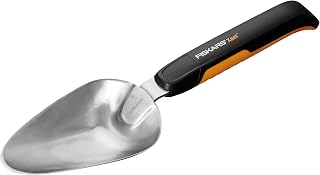
Fiskars Xact Garden Hand Trowel, Stainless Steel Head

Fiskars Xact Garden Hand Trowel, Stainless Steel Head

4.7(63)

$16.99

View on Amazon
premium
Tierra Garden DeWit Snake Tongue Trowel, Garden Tool for Roots and Planting (31-3005)

Tierra Garden DeWit Snake Tongue Trowel, Garden Tool for Roots and Planting (31-3005)

4.8(47)

$42.41

Only 2 left in stock - order soon.

View on Amazon

A one-piece steel blade and tang will not bend in packed soil the way a stamped one does.

Countertop scrap caddy

Optional · Convenience

Opening the bucket for every peel lets air in and slows the ferment. A lidded caddy holds a day's scraps so the bucket opens once.

budget
Joseph Joseph Compo Wall Mountable Compost Caddy, 1 Gallon

Joseph Joseph Compo Wall Mountable Compost Caddy, 1 Gallon

4.6(5,168)

$17.99

View on Amazon
mid-range
OXO Good Grips Easy-Clean Compost Bin, 0.75 Gal, Charcoal

OXO Good Grips Easy-Clean Compost Bin, 0.75 Gal, Charcoal

4.6(18,091)

$20.86

View on Amazon
premium
RED FACTOR Premium Compost Bin for Kitchen Countertop - Stainless Steel Food Waste Bucket with Innovative Dual Filter Technology - Includes Spare Filters (White, 1.3 Gallon)

RED FACTOR Premium Compost Bin for Kitchen Countertop - Stainless Steel Food Waste Bucket with Innovative Dual Filter Technology - Includes Spare Filters (White, 1.3 Gallon)

4.7(5,924)

$33.99

View on Amazon

A mixing bowl with a plate on top does the same job for free.