Skip to content

Starter guide

Composting

Turn kitchen scraps and fall leaves into the best soil you have ever had.

You can start composting today with a heap in a back corner of the yard and the scraps already in your kitchen. Composting is the slow, mostly hands-off craft of piling up food scraps, leaves and yard trimmings so that microbes break them down into dark, crumbly, earthy-smelling compost. You balance wet, nitrogen-rich "greens" against dry, carbon-rich "browns", keep the pile damp, and give it air. People stick with it because it shrinks the trash can, costs almost nothing to run, and ends each season with wheelbarrows of free soil food for beds, pots and lawns.

Difficulty
beginner-friendly
Startup cost
$40-$400
First result
A warm, shrinking pile within 1-2 weeks, and finished compost in 3 to 12 months
Corner total$0.00
01

What composting actually involves

Most of the work is a habit, not a chore. A small caddy by the sink collects fruit and vegetable scraps, coffee grounds and eggshells. Every few days you carry it out, tip it into the pile, and cover it with two or three times as much dry brown material. Once a week or two you check the pile is still damp and stir or turn it to let air in. That is about fifteen minutes a week. The bigger jobs come a few times a year: building a new pile, and digging out the finished compost at the bottom to spread on the garden.

02

The recipe: greens, browns, water and air

Greens

Wet, nitrogen-rich material that feeds the microbes. Fruit and vegetable scraps, coffee grounds and paper filters, tea leaves, fresh grass clippings and green plant trimmings.

Browns

Dry, carbon-rich material that gives the pile structure and soaks up moisture. Fallen leaves, shredded cardboard and paper, straw, small twigs and untreated sawdust.

Ratio

Aim for two to three parts browns to one part greens by volume. Measuring is not needed. If the pile smells, add browns. If nothing is happening, add greens and water.

Moisture

A handful squeezed hard should feel like a wrung-out sponge and give up a drop or two. Water it in dry spells and cover it in long rains.

Air

The microbes that work fast and smell sweet need oxygen. Turning the pile, or poking holes down into it, keeps them supplied.

Size

A pile about 3 to 5 feet in each direction holds enough heat to work quickly. Smaller piles still rot, only slower. Chopping scraps and shredding leaves speeds up any size of pile.

Keep out

Meat, fish, bones, dairy, fats and oils, pet waste, diseased plants, weeds that have gone to seed, and grass or plants treated with herbicide.

A bowl heaped with cracked brown and white eggshells in bright sun
Eggshells saved for the pile
03

Build your first pile

What you can get done in your first month

A working pile

A bin or heap layered with scraps and browns that has started to warm up and sink.

A browns stockpile

A couple of bags of dry leaves or a box of torn cardboard parked next to the bin, so every bucket of scraps gets covered.

A kitchen routine

A countertop caddy that fills every few days and gets emptied before it smells.

A first full turn

The whole pile forked over once, with the dry outside moved to the middle.

A filled leaf cage

If it is fall, a wire cage packed with damp shredded leaves that will be leaf mold in a year or two.

04

How to choose a bin

Stationary bin

A bottomless plastic bin with a lid and a hatch near the ground. Cheap, holds a lot, keeps heat and moisture in, and lets worms and soil life move up from below. Turning inside it is awkward.

Tumbler

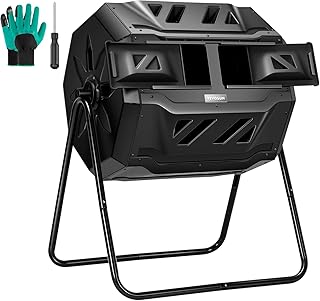
A sealed drum on a frame that you spin to mix. Tidy, hard for rodents to get into, and easy on the back. It holds less, dries out faster, and the batch has to be left alone to finish.

Two chambers

With a tumbler, look for two compartments so one side can finish while you fill the other.

Capacity

For a household of two to four with a yard, look for at least 65 to 80 gallons in a stationary bin, or about 37 gallons or more in a tumbler. Small bins fill up within weeks.

Critter-proofing

Check for a lid that locks or twists shut and openings no bigger than a quarter inch. A square of hardware cloth under a bottomless bin stops burrowers.

Getting compost out

A wide hatch or a bin that lifts off the pile saves a lot of digging. On a tumbler, check the door is big enough for a shovel.

A square bin of wooden rails and wire mesh on a lawn beside a brick wall, with a garden fork and a green watering can leaning next to it
A wood and wire bin with its fork
05

Four ways to compost

Cold compostingAdd material as it comes and let time do the work. Almost no effort, but slow, and it will not kill weed seeds.

Start here

Set a bin or open heap on bare soil and add scraps and browns whenever you have them, burying each bucket of food scraps under dry leaves. Turn it when you remember and expect compost in six months to a year.

Hot compostingBuild a big pile all at once and turn it often so the middle reaches 130 to 160°F. Faster, and hot enough to kill most weed seeds, but it takes planning and muscle.

Start here

Stockpile browns and greens until you can build a pile at least 3 feet wide, deep and tall in one go, then wet it as you layer it. Check the middle with a thermometer and turn the whole pile each time it starts to cool.

Tumbler compostingBatch composting in a sealed, spinning drum. Good for small yards, patios and anywhere rodents are a worry.

Start here

Fill one chamber of a tumbler about two-thirds full with a mix of scraps and dry browns, then spin it five or six turns every two or three days. Stop adding to that chamber once it is full so the batch can finish.

Leaf moldA pile of nothing but fall leaves, left to rot slowly by fungi for a year or two into a dark, moisture-holding soil conditioner. No kitchen scraps, no turning, no smell.

Start here

This fall, run a mower over your fallen leaves, rake them into a wire cage, and soak each layer with the hose as you fill it. Leave the cage alone and check it next fall.

RHS: Leafmould

Open a card for the first thing to do. The leaf mold card also adds the leaf bin and scoops to the kit.

06

What trips beginners up

It is slow

A well-tended pile takes three to five months and an ignored one can take a year. A pile that looks like it is doing nothing is usually still working.

It shrinks

A full bin ends up about a third of its starting size, so the first harvest is smaller than you expect.

Winter stalls it

Piles cool down and nearly stop in freezing weather. Keep adding scraps and it picks back up in spring.

Too many greens

A slimy pile that smells of ammonia or rotten eggs has too much wet material and too little air. Mix in dry browns and turn it.

Too dry or too small

A pile that never warms up usually needs water, more greens, or simply more material.

Bare food on top

Uncovered scraps bring fruit flies and raccoons. Bury every load under browns.

Running out of browns

Kitchen scraps arrive all year but leaves fall once. Stockpile leaves in fall and save cardboard the rest of the year.

A red plastic rake pulling yellow and brown fall leaves into a pile on a concrete path
Fall leaves raked up for the browns stash
07

Staying safe and keeping the neighbors happy

Wash up

Wear gloves when handling compost and wash your hands afterward. Cover any cuts, and keep your tetanus shot current as you would for any gardening.

Dust and mold

Dry compost throws up mold spores when you turn it. Dampen it first, stand upwind, and wear a dust mask if you have asthma, allergies or a weakened immune system.

Pests

Keep the lid on. If rats are common where you live, use a sealed tumbler or line the base of the bin with quarter-inch hardware cloth.

Local rules

Some cities and homeowner associations set rules on bin type, size or distance from the property line. Check before you build, and keep the pile a few feet back from fences and the house.

Weed killer carryover

Some lawn and pasture herbicides survive composting and damage vegetables. Do not compost clippings, hay or manure unless you know they were not treated.

A garden fork standing upright in the ground beside a dark heap, with orange fall trees out of focus behind
08

Where to learn more

Free help, most of it local

Extension services

Your state university extension office publishes free composting guides written for your climate, and many answer questions by phone or email.

Master Composter programs

Many counties run a short volunteer course that covers composting in depth, usually cheap or free in exchange for a few hours of community teaching.

City and county workshops

Local waste departments often run free weekend classes and sell discounted bins at the end.

Community gardens

Most have a compost system and someone happy to show you how they run it.

09

Why the kit is this short

Composting needs very little. The bin is the one real purchase, and an open heap or four free pallets can stand in for it. A fork or aerator for mixing and a caddy for the kitchen make the habit easier to keep. The thermometer and the sifter are for later, once you want a faster pile or finer compost for pots. The leaf mold add-on is separate because it is its own slow pile with its own simple cage. Skip compost starters and activators: a shovel of garden soil or finished compost does the same job for free.

Two wooden compost bays side by side, each filled with garden scraps and fitted with a dial thermometer
10

Set up the compost corner

One bin, then two tools that keep the habit going

Compare the options on each line, then set your tiers and check out from the kit list. Clicking a card selects it there, and clicking the selected card again takes that line out. The leaf mold gear, the thermometer and the sifter stay out of the total until you switch them on.

Outdoor compost bin or tumbler

Essential · Core equipment

Holds the pile together so it keeps its heat and moisture, looks tidy, and keeps animals out of the food scraps.

budget
F2C 80Gal Compost Bin with Gloves, Large Outdoor Compost Box, Flip Lid & Bottom Exit Door, Aerating BPA Free Composter for Backyard Garden (Black)

F2C 80Gal Compost Bin with Gloves, Large Outdoor Compost Box, Flip Lid & Bottom Exit Door, Aerating BPA Free Composter for Backyard Garden (Black)

4.2(1K)

$39.99

View on Amazon
mid-range
VIVOSUN Outdoor Tumbling Composter Dual Rotating Batch Compost Bin, 43 Gallon Black Door

VIVOSUN Outdoor Tumbling Composter Dual Rotating Batch Compost Bin, 43 Gallon Black Door

4.3(9.9K)

$67.99

View on Amazon
premium
RSI Maze Two Stage Compost Tumbler

RSI Maze Two Stage Compost Tumbler

4.5(303)

$289.99

View on Amazon

A stationary bin is cheaper and holds more. A tumbler is tidier and easier to mix. Check with your city first for a free or discounted bin.

Compost aerator

Recommended · Tools

Mixing air into the pile is what keeps it working fast and smelling sweet, and a long-handled tool does it without emptying the bin.

budget
Bosmere Compost Aerator, 36"

Bosmere Compost Aerator, 36"

4.1(198)

$40.00

View on Amazon
mid-range
Lotech Products Compost Crank Twist Compost Aerator

Lotech Products Compost Crank Twist Compost Aerator

4.8(470)

$48.75

View on Amazon
premium
Stainless Steel Compost Aerator Tool - Manual Turner & Mixer for Compost Tumblers and Bins | Faster Decomposition, Rust-Proof

Stainless Steel Compost Aerator Tool - Manual Turner & Mixer for Compost Tumblers and Bins | Faster Decomposition, Rust-Proof

4.7(81)

$65.99

View on Amazon

Works in bins, heaps and tumblers, where it breaks up the clumps that spinning alone leaves behind. In an open heap, a garden fork you already own does the same job.

Kitchen compost caddy

Recommended · Kitchen

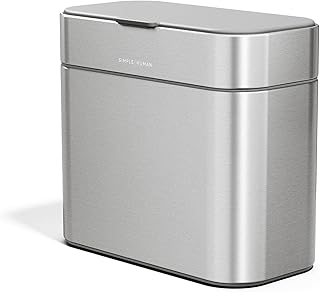
A lidded pail by the sink saves a trip outside after every meal and keeps smells and fruit flies down between trips.

budget
OXO Good Grips Easy-Clean Compost Bin, Charcoal, 1.75 Gal/6.62 L

OXO Good Grips Easy-Clean Compost Bin, Charcoal, 1.75 Gal/6.62 L

4.6(18K)

$24.00

Only 2 left in stock - order soon.

View on Amazon
mid-range
Epica Kitchen Compost Bin for Kitchen Countertops, 1.3 Galllon - Silver

Epica Kitchen Compost Bin for Kitchen Countertops, 1.3 Galllon - Silver

4.6(21K)

$29.98

View on Amazon
premium
simplehuman Compost Caddy, Detachable and Countertop Bin, 4 Liter / 1.06 Gallon, Brushed Stainless Steel

simplehuman Compost Caddy, Detachable and Countertop Bin, 4 Liter / 1.06 Gallon, Brushed Stainless Steel

4.3(2.2K)

$49.99

View on Amazon

About one gallon suits most households. An old lidded container works until you know you will stick with it.

Open mesh leaf bin

Situational · Leaf moldLeaf mold

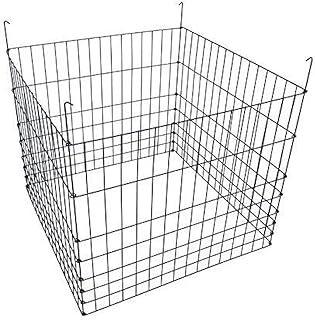
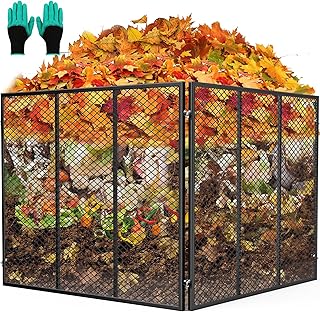
An open mesh cage keeps a big pile of leaves from blowing around the yard while letting in the rain and air that the fungi need.

budget
Geobin Compost Bin - 246 Gallon, Expandable, Easy Assembly, Made in the USA, Outdoor & Backyard Composter

Geobin Compost Bin - 246 Gallon, Expandable, Easy Assembly, Made in the USA, Outdoor & Backyard Composter

4.4(5.5K)

$35.99

View on Amazon
mid-range
Garden Wire Compost Bin 36x36x30 inches, Black, Garden Bed Fencing

Garden Wire Compost Bin 36x36x30 inches, Black, Garden Bed Fencing

4.5(347)

$57.99

Only 18 left in stock - order soon.

View on Amazon
premium
Large Compost Bin, 172 Gallon Metal Wire Mesh Composter for Outdoor, Waterproof Composting Bin with Rust-Proof Coating, Easy Assembly Compost Bin for Garden, Yard, Kitchen Waste, Leaves, 37x37x30 in

Large Compost Bin, 172 Gallon Metal Wire Mesh Composter for Outdoor, Waterproof Composting Bin with Rust-Proof Coating, Easy Assembly Compost Bin for Garden, Yard, Kitchen Waste, Leaves, 37x37x30 in

4.4(45)

$96.99

View on Amazon

Look for one at least 3 feet across so the leaves stay damp in the middle. A ring of garden fencing held with zip ties does the same job.

Leaf scoops

Situational · Leaf moldLeaf mold

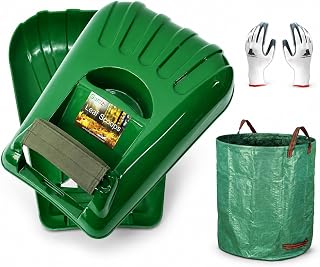
Oversized hand paddles let you lift a whole armful of leaves into the cage at once, which turns an afternoon of bending into half an hour.

budget
Rugg Original Leaf Scoops; 1 Pair

Rugg Original Leaf Scoops; 1 Pair

4.7(4.1K)

$16.64

View on Amazon
mid-range
Gardzen Plastic Large Leaf Scoop Hand Rakes

Gardzen Plastic Large Leaf Scoop Hand Rakes

4.5(2.1K)

$24.99

View on Amazon
premium
GARDEASE Leaf Scoops, Ergonomic Large Hand Held Rakes for Yard (1 Pair)

GARDEASE Leaf Scoops, Ergonomic Large Hand Held Rakes for Yard (1 Pair)

4.6(4.4K)

$29.95

View on Amazon

Run a mower over the leaves first. Shredded leaves pack down better and rot in about half the time.

Compost thermometer

Optional · Tools

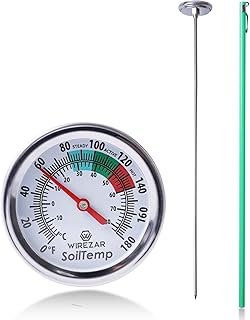
For later, when you try a hot pile. A long-stem dial shows whether the middle has reached 130 to 160°F and tells you when it has cooled enough to need turning.

budget
Backyard Compost Thermometer, 16 Inch Stainless Steel, Waterproof

Backyard Compost Thermometer, 16 Inch Stainless Steel, Waterproof

4.6(289)

$14.39

View on Amazon
mid-range
Reotemp 20 Inch Fahrenheit Backyard Compost Thermometer with Digital Composting Guide

Reotemp 20 Inch Fahrenheit Backyard Compost Thermometer with Digital Composting Guide

4.7(3.4K)

$23.99

View on Amazon
premium
REOTEMP Backyard Pro Compost Thermometer, with PDF Composting Guide (0-200 Fahrenheit) (24 Inch Stem)

REOTEMP Backyard Pro Compost Thermometer, with PDF Composting Guide (0-200 Fahrenheit) (24 Inch Stem)

4.7(329)

$49.99

View on Amazon

Get a stem of 16 to 20 inches so it reaches the center of a 3-foot pile.

Compost sifter

Optional · Tools

For later, at harvest time. A mesh screen separates fine, finished compost for pots and seed trays from the sticks and half-rotted bits that go back in the pile.

budget
Cedar Garden Sifter - Multi-Purpose Soil Screen Hand Held for Compost, Dirt and Potting Soil (14.96in)

Cedar Garden Sifter - Multi-Purpose Soil Screen Hand Held for Compost, Dirt and Potting Soil (14.96in)

4.5(175)

$25.99

View on Amazon
mid-range
Achla Designs Compost Sifter Screen with Handles

Achla Designs Compost Sifter Screen with Handles

4.6(1.2K)

$37.99

View on Amazon
premium
A.M. Leonard Wheelbarrow Sifter for Compost and Soil, Handmade

A.M. Leonard Wheelbarrow Sifter for Compost and Soil, Handmade

4.4(91)

$110.35

View on Amazon

A half-inch mesh suits garden beds. A quarter-inch mesh gives finer compost for potting mixes.