Skip to content

Starter guide

Decoy Collecting

Hunt for hand-carved wooden birds that once floated on real marshes.

Decoy collecting is the search for carved ducks, geese and shorebirds that hunters once set on the water to pull wild birds into range. For about a century, carvers along the Chesapeake Bay, the Illinois River, the New Jersey coast and dozens of other waterways shaped them from cedar and pine with hatchets and knives, and each region ended up with its own recognizable style. Today they are treated as American folk art. Each bird carries a maker's hand, a hunter's wear and sometimes a gunning club's brand burned into the bottom. The best have sold for more than a million dollars, but honest working decoys by unknown or factory makers still change hands for $50 to $200 at shows and auctions, so a beginner can own a real one in the first month.

Difficulty
moderate learning curve
Startup cost
$100-$450
First result
Your first real working decoy on the shelf within a month, after one show or auction
Rig total$0.00
01

What decoy collectors actually do

Most of the hobby is looking. Collectors read auction catalogs the way other people read box scores, walk the tables at decoy shows, and pick up every bird a dealer will let them handle. At home the work is study: matching a head shape or a paint pattern to a region, then to a carver, and deciding how much of the paint is original. Decoys were tools, so nearly all of them were repainted, reheaded or patched by the hunters who used them, and sorting honest wear from later meddling is the skill that takes years. The reward is an object with a traceable life. A good decoy can often be tied to one maker, one stretch of water and one gunning rig.

A row of painted duck figures on a dark wooden shelf, lit from the side by low evening light
Painted ducks on a shelf
A salt marsh of golden grass cut by blue tidal channels, with trees on the far shore
02

Which kind of decoy do you want?

Four ways in

Antique Working DecoysHand-carved gunning birds made from about 1850 to 1950, collected by region and by carver. This is the heart of the hobby and where the big prices are, but birds by unknown makers are affordable. The base kit below covers it.

Start here

Find the next decoy show or auction preview within driving distance and go to handle birds, not to buy. Pick up twenty decoys, turn each one over, and ask the dealer who made it and what has been done to it.

Factory DecoysBirds turned on lathes and painted by hand in workshops such as the Mason factory in Detroit, then sold by mail order. They come in set models and grades, so they are easier to identify from a book than one-off carvings. The base kit covers them too.

Start here

Look up one factory's models in your guide book, then search completed auction results for that factory and note what the plain grades in worn original paint actually sold for. Set that number as your ceiling before you bid on one.

Shorebirds and Fish DecoysSmall carved plovers and yellowlegs that stood on sticks in the sand, and weighted wooden fish used for spearing through ice in the Great Lakes states. They take little shelf space and have devoted followings. They need no extra gear.

Start here

Open a recent auction catalog online and read only the shorebird and fish decoy lots, with their condition reports. These are small, widely faked forms, so learn what a real one looks like before you spend anything.

Decorative CarvingsNew birds carved for the shelf, not the water, from inexpensive painted ducks to competition pieces with every feather cut in. A new carving is the cheapest way to get a wooden bird on display while you learn the antique market.

Start here

Choose a species you like and order one new carved bird for a shelf this week. Use it to practice the handling and care habits below before you bring home an antique.

Open a kind to see its first step. Decorative Carvings ends in a button that adds a new carved bird to the kit.

03

Your first month

04

How to judge a decoy

Paint

Original paint is the largest part of the value. Old paint has fine cracking, is worn through on the high spots (the bill tip, the tail and the edges of the head), and sinks into dents instead of bridging them.

Repaint

A second coat applied by a hunter while the bird was still in use is called in-use repaint, and it is accepted at a lower price. Fresh paint added to raise the price is not. Under ultraviolet light, newer paint and filler usually glow differently from the surface around them.

Form

Look at the bird from across the room. A good decoy reads as its species from the outline alone, and the head sits on the body with a confident line.

Structure

Check the bill, the neck seam and the tail for cracks, glue lines and replaced wood. A long split that follows the grain of the body is called a check and is normal in a solid-bodied bird.

The bottom

Turn it over. Look for a weight, a leather or staple line tie, and any brand, initials or stamp. A burned-in brand from a known gunning club or owner adds history and value.

Wear

Real gunning wear is uneven and makes sense. Shot scars, rubs where birds knocked together in a boat, and a clean ring where the weight hung all sit where use would put them. Even wear over the whole bird is a warning sign.

Maker

Attribution drives price. Treat any carver's name as a claim until the head, the paint pattern and the body construction match published examples in your guide.

05

Keeping a decoy in good shape

  • Do not clean it. Washing, oiling, waxing or touching up the paint removes value that cannot be put back. Dust with a soft dry brush and nothing else.
  • Lift with two hands under the body. Never pick a decoy up by the head or the bill, which are the weakest joints.
  • Keep it out of direct sun and away from radiators, vents and fireplaces. Light fades old paint, and heat opens cracks.
  • Hold the room's humidity steady. Wood that swings between damp summers and dry winters splits, so avoid attics, basements and garages.
  • Leave weights, line ties and old tags in place. Rigging is part of the bird's history, and collectors pay for it.
  • Put new labels on a string tag tied to the line tie. Never write on the wood or stick a label to the paint.
06

Lead and the law

  • Most working decoys carry a lead weight, and house and marine paint sold before the 1978 federal ban often contains lead. Wash your hands after handling, keep the birds out of reach of small children, and never sand or scrape one indoors.
  • In the United States, the Migratory Bird Treaty Act of 1918 makes it illegal to buy or sell feathers, skins and mounts of wild migratory birds. Carved wood, cork and canvas decoys are unaffected, but pass on any decoy that has real feathers or a real skin attached.
  • If you plan to buy from another country, check that country's export rules for cultural property before you bid.
07

What trips beginners up

  • Expect to be unsure for a while. Telling original paint from a careful repaint takes hundreds of birds handled, so start with inexpensive decoys where a mistake costs little.
  • Buying the bird before the book. A guide costs less than the buyer's premium on one auction lot and stops most bad purchases.
  • Trusting a famous name on an online listing. Signatures and brands are easy to add. Buy the bird, the condition and the seller's written guarantee.
  • Confusing decorative reproductions with antiques. Machine-carved ducks with an artificially aged finish have been sold as home decor for decades, and they turn up at flea markets described as old.
  • Fixing things. Regluing a loose head or brightening the paint feels helpful and cuts the price sharply. Restoration is a job for a specialist, and it is always disclosed when the bird is sold.
  • Forgetting the extra costs. Auction houses add a buyer's premium of roughly 20 to 28 percent to the hammer price, plus packing and shipping.
  • Chasing every species and region at once. A shelf of five related birds teaches more, and resells better, than twenty unrelated ones.
A carved wooden shorebird with a long thin bill, mounted on a wire above a wooden block
A carved shorebird on its stand
08

Where to learn more

Decoys are learned in person, so the best classrooms are museums and shows. The Havre de Grace Decoy Museum in Maryland covers the Chesapeake Bay tradition, and many regional maritime and folk art museums keep a decoy gallery. The North American Decoy Collectors Association runs the largest annual show for vintage decoys, held each April near Chicago, where dealers lay birds out on tables and expect to be asked questions. Its website also lists smaller regional shows. Between shows, the catalogs of specialist auction houses such as Guyette & Deeter and Copley Fine Art Auctions work as free textbooks, because each lot has photographs, a condition description and a sale price.

09

About the kit

The decoy itself is the one thing here that Amazon does not sell, so it leads the list as a reminder to budget for it. The guide book is essential because it is what keeps that money from being wasted. The ultraviolet flashlight and the loupe are the two inspection tools collectors carry to every show, and the brush and string tags cover care and record keeping from the first bird on. Deep shelves are optional and only matter once the birds outgrow the furniture you have. The Decorative Carvings add-on is a new carved bird for people who want a wooden duck on display right away.

A tall carved duck in bare wood standing in front of dark green painted doors
A new carving in bare wood
A deep pile of unfinished carved wooden ducks in bare wood, seen from above
10

Build your rig

Every lot, with its options side by side

The first lot is the decoy itself, which is not something you buy online, so it has no cards. For the rest, compare the options on each line, then set your tiers and check out from the cart. Clicking a card selects it there, and clicking the selected card again takes that line out. The book, the light, the loupe, the brush and the tags start in the kit. The carved bird joins when you switch on Decorative Carvings, and the shelves are there if you want them.

Lot 01

First working decoy

Essential · The decoy

The collection starts with one real bird that was made to be hunted over. Handling it at home teaches more than any photograph.

Not sold on Amazon · buy at a show or auction

Not sold on Amazon. Buy from a dealer at a decoy show or from a specialist auction house that gives a written condition description and a return guarantee. A mid-century factory bird or an unsigned regional decoy in worn original paint typically costs $50 to $200.

Lot 02

Decoy identification and price guide

Essential · Reference

Photographs of documented birds, sorted by region and maker, are how you check a seller's attribution and get a feel for fair prices.

budget
The Collector's Guide to Decoys

The Collector's Guide to Decoys

4.6(5)

$10.65

View on Amazon
mid-range
Collector's guide to decoys (Wallace-Homestead collector's guide series)

Collector's guide to decoys (Wallace-Homestead collector's guide series)

4.2(20)

$44.98

View on Amazon
premium
Collecting Antique Bird Decoys and Duck Calls: An Identification and Price Guide

Collecting Antique Bird Decoys and Duck Calls: An Identification and Price Guide

4.5(28)

$59.54

View on Amazon

Printed prices go out of date, so use them to compare one bird with another, not as today's value. Used copies are fine.

Lot 03

Ultraviolet inspection flashlight

Recommended · Inspection

In a dark room, touch-ups, filler and replaced wood usually show up as patches that glow differently from the old paint around them.

budget
DARKBEAM UV Flashlight Filtered 365nm Black Light Woods Lamp Ringworm, Mini

DARKBEAM UV Flashlight Filtered 365nm Black Light Woods Lamp Ringworm, Mini

4.6(1.1K)

$9.99

View on Amazon
mid-range
uvBeast V3 365nm MINI Black Light UV Flashlight

uvBeast V3 365nm MINI Black Light UV Flashlight

4.3(3.4K)

$26.88

View on Amazon
premium
uvBeast V3 365nm Black Light UV Flashlight, High Power, Long Range,

uvBeast V3 365nm Black Light UV Flashlight, High Power, Long Range,

4.6(3.3K)

$59.99

View on Amazon

A 365 nanometer light with a filtered lens shows more than the cheaper 395 nanometer kind. Do not shine it at anyone's eyes.

Lot 04

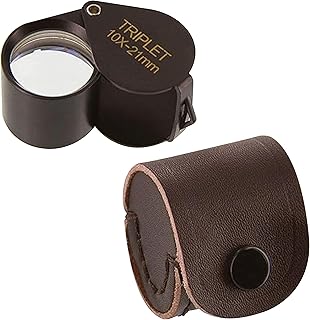
Jeweler's loupe (10x)

Recommended · Inspection

Magnification shows whether cracks in the paint run through every layer, and makes faint brands and stamps on the bottom readable.

budget
10x Magnifier Jewelry Loupe 20.5mm Triplet Lens Optical Glass Pocket Gem Magnifying Tool for Jeweler, Stamp Philatelist, Coin Numismatic, Achromatic Black Hexagonal Design Kit Set

10x Magnifier Jewelry Loupe 20.5mm Triplet Lens Optical Glass Pocket Gem Magnifying Tool for Jeweler, Stamp Philatelist, Coin Numismatic, Achromatic Black Hexagonal Design Kit Set

4.5(591)

$13.99

View on Amazon
mid-range
Ade Advanced Optics 10x21TB-A Triplet Professional Loupes – Jewelers Loupe for Jewelry, Coins, Gemstones, Trichomes, Geology, Diamond Inspection, Pocket Magnifier Tool for Watch, Plants, Slides

Ade Advanced Optics 10x21TB-A Triplet Professional Loupes – Jewelers Loupe for Jewelry, Coins, Gemstones, Trichomes, Geology, Diamond Inspection, Pocket Magnifier Tool for Watch, Plants, Slides

4.5(363)

$24.56

View on Amazon
premium
Hastings 10X Loupe Highest Optical Grade Glass Element Lens

Hastings 10X Loupe Highest Optical Grade Glass Element Lens

4.3(137)

$47.99

View on Amazon

Ten power is enough. Higher magnification narrows the view and is harder to hold steady.

Lot 05

Soft dusting brush

Recommended · Care

A dry, soft brush is the only cleaning an old painted surface should get, and it lifts dust without catching on flaking paint.

budget
Winsor & Newton Series 240 Goat Hair Short Handle Brush-Wash ,3,White

Winsor & Newton Series 240 Goat Hair Short Handle Brush-Wash ,3,White

4.5(66)

$16.17

View on Amazon
mid-range
Redecker Goat Hair Book Dust Brush with Oiled Pearwood Handle, 10-1/4-Inches

Redecker Goat Hair Book Dust Brush with Oiled Pearwood Handle, 10-1/4-Inches

4.6(109)

$29.82

View on Amazon
premium
REDECKER Dust Brush with Goat Hair Bristles and Oiled Pearwood Handle, 13-3/8-Inches, Black with White Dot Goat Hair Dusters - Goat Hair Dusting Brush - Wood Duster Brush

REDECKER Dust Brush with Goat Hair Bristles and Oiled Pearwood Handle, 13-3/8-Inches, Black with White Dot Goat Hair Dusters - Goat Hair Dusting Brush - Wood Duster Brush

4.8(161)

$47.05

View on Amazon

Natural hair is gentler than nylon. Keep this brush for the decoys only.

Lot 06

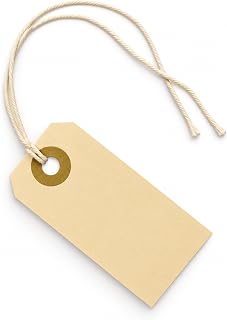
String tags

Recommended · Record keeping

A tag tied to the line tie carries the bird's maker, source and date without anything touching the paint.

budget
Avery® Strung Marking Tags with String Attached, Gift Tags with String Attached, 1.75 x 1.09 in, Pack of 100 (6732)

Avery® Strung Marking Tags with String Attached, Gift Tags with String Attached, 1.75 x 1.09 in, Pack of 100 (6732)

4.8(6.6K)

$2.38

View on Amazon
mid-range
500 White Paper Tags with Pre-Tied String, Writable Blank Tags for Crafts Holiday Arts - 2.75 x 1.57 Inches

500 White Paper Tags with Pre-Tied String, Writable Blank Tags for Crafts Holiday Arts - 2.75 x 1.57 Inches

4.7(196)

$9.99

View on Amazon
premium
100 Small Manila Paper Tags with String, #1, 2 3/4" x 1 3/8"

100 Small Manila Paper Tags with String, #1, 2 3/4" x 1 3/8"

4.7(351)

$15.99

View on Amazon

Write in pencil, which does not fade or bleed.

Lot 07

Hand-carved decorative duck decoy

Situational · The decoy · Decorative Carvings add-on

A new carved bird puts a wooden duck on the shelf this week and gives you something to practice handling and display on.

budget
WorldBazzar Hand Carved Painted Wood Carving Bird Duck Decoy Vintage Style Wood Replica Life-Like Figurine

WorldBazzar Hand Carved Painted Wood Carving Bird Duck Decoy Vintage Style Wood Replica Life-Like Figurine

4.7(34)

$24.79

View on Amazon
mid-range
CVHOMEDECO. Primitives Hand Engraving and Painted Wood Wild Duck Farmhouse Figurine Mallard Decorative Accent, 12 Inch

CVHOMEDECO. Primitives Hand Engraving and Painted Wood Wild Duck Farmhouse Figurine Mallard Decorative Accent, 12 Inch

4.6(104)

$39.99

View on Amazon
premium
NOVICA Artisan Handmade Wood Statuette Painted Female Mallard Duck from Bali Brown Indonesia Sculpture Animal Themed NAT Geo Decor Birdduck [6in H x 11.75in W x 4.9in D] Elegant Mallard'

NOVICA Artisan Handmade Wood Statuette Painted Female Mallard Duck from Bali Brown Indonesia Sculpture Animal Themed NAT Geo Decor Birdduck [6in H x 11.75in W x 4.9in D] Elegant Mallard'

4.9(41)

$199.00

View on Amazon

This is decor, not an antique, and it will not gain value. Check the listed length: most decorative birds are 10 to 12 inches long, a little under life size.

Lot 08

Deep wall shelves

Optional · Display

A full-size duck decoy is 6 to 7 inches wide and hangs over a standard picture ledge. Deep shelves let several sit side by side, facing out.

budget
Fixwal 2pcs 10 in Deep Floating Shelves for Wall (Brown, 23.6" L)

Fixwal 2pcs 10 in Deep Floating Shelves for Wall (Brown, 23.6" L)

4.6(628)

$35.99

View on Amazon
mid-range
QEEIG 10" Deep Floating Shelves for Wall (Brown, Set of 3, 23.6" x 10")

QEEIG 10" Deep Floating Shelves for Wall (Brown, Set of 3, 23.6" x 10")

4.6(5.6K)

$59.82

View on Amazon
premium
Kaboon 36 inch Long 10 inch Deep Floating Shelves for Wall Set of 2, Large Open Shelves Wall Mounted, Space Saving Home and Commercial Use,Black

Kaboon 36 inch Long 10 inch Deep Floating Shelves for Wall Set of 2, Large Open Shelves Wall Mounted, Space Saving Home and Commercial Use,Black

4.6(179)

$69.99

View on Amazon

These are sold in sets of two or three. Look for a depth of at least 8 inches and a weight rating of 20 pounds or more per shelf, and screw them into studs. Solid decoys with lead weights are heavy.