Learn to skate, pass and shoot, then join a league built for adult beginners.
Ice hockey is a fast team game on skates: two teams of five skaters and a goalie use sticks to pass a rubber puck and shoot it into the other team's net. It is one of the few team sports that adults routinely take up from zero, because rinks run learn-to-play clinics and beginner leagues where body checking is banned and nobody expects you to stop cleanly yet. The pull is the speed, the teamwork and the locker-room social life that comes with a weekly game. The catch is the kit: you need full protective gear from helmet to skates before you step into a scrimmage, so it costs more to start than most team sports, even with entry-level or secondhand gear, and rink fees come on top.
Difficulty
Steep learning curve
Startup cost
$650-$1500
First result
Skating with a puck in your first clinic, a first league game in 2-4 months
Puck flat, head up
Shift 01
Session
01
What a week of beginner hockey looks like
Clinics first, then a weekly game
Most adult beginners start in a learn-to-play clinic: an hour on the ice once or twice a week where coaches run skating drills, then puck handling, passing and shooting, and finish with a small scrimmage. You arrive 20-30 minutes early to dress (gear goes on in a set order, skates last), skate the hour, then sit in the locker room for a few minutes afterward. After a season or so of clinics and stick-and-puck sessions, most people join a beginner-level adult league, where you play one game a week on a team. Games are three periods with line changes every minute or so, so you skate hard in short shifts and rest on the bench between them.
02
Why adults get hooked
Skating fast with a puck on your stick is a feeling no other sport gives you, and it shows up early once your stride clicks.
Short shifts make it a serious interval workout without feeling like one.
You are on a team every week, and the locker room after a game is a big part of the social life.
Adult beginner leagues are skill-rated and non-checking, so you play people at your own level.
Progress is easy to see: the drill that made you fall in week one is routine by week six.
03
Ways into the game
Adult learn-to-play and rec leaguesThe standard path, indoors on a rink with full gear, from clinics to a weekly league game.+
Start here
Search the USA Hockey adult hockey page or your local rink's website for an adult learn-to-play clinic, and sign up for the next session that starts.
Stick-and-puck and drop-inOpen ice sessions at the rink where you practice alone or join a pickup game with whoever shows up.+
Start here
Ask at your rink about stick-and-puck sessions this week: an hour of open ice where you can skate with a puck in full gear and no game pressure.
Pond hockeyOutdoor shinny on a frozen pond or park rink, usually 3-on-3 or 4-on-4 with small low nets, no goalies and no slap shots.+
Start here
Check your city or county parks page for outdoor rinks and flooded ponds, and wait until the ice is officially open or measured at 4 inches of clear ice before you skate.
BandyThe big-ice cousin played with a small ball and curved sticks on a soccer-sized sheet of ice, eleven per side.+
Start here
Read the bandy rules on the world federation's site, then find a club; in North America that usually means a Minnesota club or a traveling clinic, so ask before buying gear.
Skates are the one piece of gear worth buying new or getting fitted for: a skate that is too big makes every drill harder.
Hockey skates run about 1 to 1.5 sizes smaller than your shoe size, and brands also sell different widths, so try them on at a hockey shop or use the brand's fit guide with your foot measured in socks.
A good fit is snug everywhere with your toes just brushing the cap when you stand, and your heel staying down when you bend your knees.
New skates need sharpening before the first skate; most hockey shops do it while you wait, and beginners usually ask for a standard 1/2 inch hollow.
Sharpen roughly every 10-15 hours on the ice, or sooner if you feel your edges sliding out on turns.
Before each session, check the blades for nicks, lace snug through the foot and tighter at the ankle, and leave the top eyelet loose enough to bend your knees.
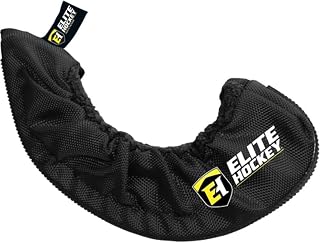
After each session, wipe the blades dry, put soft blade covers on and never walk on concrete without hard guards.
05
How to get started
Tick each one off as you go
Skates go on last
06
Staying safe on the ice
!Wear the full kit every time you skate with sticks and pucks, even in a casual session. Pucks travel fast and falls are frequent.
!Your helmet should carry a hockey safety certification (HECC in the US, CSA in Canada) and be worn with a full cage or shield, which beginner leagues usually require.
!Adult rec leagues ban body checking, but collisions still happen. Learn to keep your head up and never hit anyone from behind or near the boards.
!Skate blades are sharp enough to cut. A neck guard and cut-resistant socks are cheap protection, and youth leagues and some adult leagues require a neck guard.
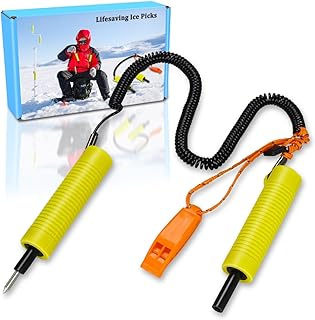
!On natural ice, check that it is at least 4 inches of clear ice, skate with others and carry ice picks so you can pull yourself out if you go through.
!Air out and dry all of your gear after every session; damp pads grow bacteria that can cause skin infections.
2:00Expect skating to be the whole game for the first few months. Your puck skills cannot outrun your edges.
2:00Your legs and lungs will be done after a 45-second shift at first; that improves fast with regular ice time.
2:00Falling is normal and the gear is there so it does not hurt. Learn to get up quickly instead of avoiding falls.
2:00Ice time costs money every week (clinic fees, league fees, stick-and-puck), so budget for it beyond the gear.
2:00Do not buy oversized skates or a stick that is too long because it looked right in the store.
2:00Do not skip skating lessons to jump straight into a league; it is the slowest way to get good.
2:00Do not leave gear zipped in the bag between sessions. The smell and the bacteria both get worse every week.
Your edges come before your hands
08
Where to learn and find a team
Your local rink is the center of everything: it runs the clinics, the stick-and-puck sessions and usually the adult league. The national governing bodies list adult programs and publish the rules, and a group skating program will fix your stride faster than anything else.
Where to find clinics, leagues and skating lessons
Hockey needs the full protective kit before your first clinic, so every essential line is required, not optional. Spend on fit for skates and the helmet, and save on everything else: shoulder pads, elbow pads, pants and shin guards are often available as entry-level gear or bought at a secondhand sports store for a fraction of the new price, since beginners rarely wear them out. Tape and a mouthguard are cheap but replaced often. The add-ons only matter if you take up that version of the game: pond hockey adds outdoor safety and portable goals, while ringette and bandy swap in their own stick and ring or ball.
An outdoor rink before the game
10
Pack the hockey bag
The first line is a clinic or skating lessons, which you sign up for at a rink rather than buy online, and ringette and bandy gear comes from clubs and hockey shops. For everything else, compare the options, then set your tiers and check out from the bag. Clicking a card selects it there, and clicking the selected card again takes that line out.
Adult learn-to-play clinic or skating lessons
essential · Instruction
Hockey is hard to learn by yourself, and a clinic gives you coached ice time, drills built for adult beginners and a group to progress with.
Not sold on Amazon
Not sold on Amazon. Look for an adult learn-to-play program at your local rink or through USA Hockey or Hockey Canada; an 8-10 week session usually costs $150-300. Ask whether they loan gear for the first few weeks.
Hockey skates
essential · Core equipment
Every part of the game happens on skates, and a well-fitting pair with ankle support makes learning to stop and turn much easier.
✓ In kitbudget
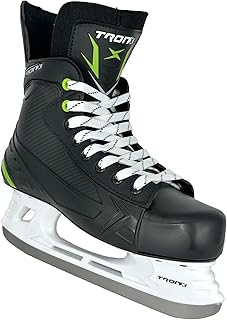
TronX Stryker 3.0 Senior Adult Men Women Junior Kids Ice Hockey Skates, New Model
Hockey skates run 1 to 1.5 sizes smaller than shoe size, and come in widths; check the brand's size chart with your foot measured. Have them sharpened before the first skate.
Hockey helmet with full cage
essential · Protective gear
Your head is the one thing you cannot risk, and beginner programs require a certified helmet with a full face cage.
Pick left or right by holding a broom: whichever hand ends up lower is your blade side. Adults new to hockey usually do well with a flex around half their body weight in pounds.
Hockey stick tape
essential · Consumables
Cloth tape on the blade helps you feel and control the puck, and a knob at the top keeps the stick from slipping out of your glove.
✓ In kitbudget
Howies Hockey Tape, 1-Pack Hockey Stick Tape for Blade, Durable and Long-Lasting Grip
Hard guards are for walking; take them off before you step on the ice.
Ice hockey pucks
recommended · Practice gear
Stick-and-puck sessions expect you to bring your own puck, and a few let you practice passing off the boards.
✓ In kitbudget
EAGLES Ice Hockey Pucks 1, 2, 3, 6 or 50 Pack | High Grade Pucks Official Regulation Weight & Size for Practice & Classic Training - 6 oz Diameter 3" Thickness 1" Black Hockey Puck Roller Hockey
Check whether the listing is one net or a pair; you need two for a game.
Ringette stick and ring
situational · Core equipment · Ringette
Ringette uses a straight stick without a blade and a rubber ring instead of a puck, so hockey sticks and pucks do not carry over.
Not sold on Amazon
Not sold on Amazon. Buy from a hockey shop that stocks ringette or through your club, which often lends sticks to newcomers; expect $25-120 for a stick and about $15 for a ring. Your helmet, pads and skates carry over, but clubs require a ringette-certified face mask, so ask before buying one.
Bandy stick and ball
situational · Core equipment · Bandy
Bandy is played with a short curved stick and a small hard ball, so hockey sticks and pucks do not carry over.
Not sold on Amazon
Not sold on Amazon. Clubs usually lend sticks and supply balls for newcomers; ask yours before importing gear from a European shop.