See fewer things, look at them longer, and go back often.
Comfortable shoes and a free afternoon are enough to start, and a good share of museums charge nothing at the door. Museum visiting as a hobby means going often and on purpose: an hour or two with one wing or one exhibition instead of a tired march past everything. Regulars learn the quiet hours, keep a short list of pieces they return to, and write down what caught them so the next visit has a starting point. The appeal is standing a few feet from the real thing, whether that is a 400-year-old painting, a moon rock or a dinosaur skeleton, and noticing more each time you come back.
Difficulty
beginner-friendly
Startup cost
$30-$150
First result
One unhurried 90-minute visit this weekend, with five objects you can still describe a week later
Room 01
The Visit
Gallery bag total$0.00
01
What a museum habit looks like
A typical visit runs 60 to 90 minutes. You check the museum's map at home, choose one wing or one special exhibition, and go there first while your attention is fresh. Inside, you walk a room once to see what pulls you, then come back and spend real time with three to five objects: reading the label, looking from far and near, writing a line or two. Then you leave, even though there is more. Studies of visitors put the average time in front of an artwork under 30 seconds, so ten minutes with one piece already sets you apart from almost everyone in the building. Going twice a month to the same museum teaches you more than one exhausting day a year.
Visitors and benches in a skylit painting gallery
02
Kinds of museums to build a habit around
Five ways to spend the afternoon
Art museumsPaintings, sculpture, photography and design. The skill is slow looking, and fine detail (brushwork, signatures, a face in the background) often hangs higher or farther back than you can see unaided.+
Start here
Pick the nearest art museum, open its online collection, and choose one gallery. Spend your whole first visit in that room, and give one painting a full ten minutes.
Gallery sketchingDrawing from the collection instead of photographing it. Twenty minutes with a pencil shows you more of an object than an hour of walking past, and no drawing skill is needed for it to work.+
Start here
Check the museum's website for its sketching policy (most allow pencil in the permanent collection), then draw one sculpture from three sides. Sculpture holds still and has no frame to get right.
Science and natural history museumsFossils, minerals, spacecraft, live demonstrations. These are built for touching and doing, they are loud on weekday mornings during school trips, and many run evenings for adults.+
Start here
Find your nearest science center or natural history museum and look up its next after-hours or adults-only evening. Go then, when the hands-on exhibits have no line.
History museums and historic housesLocal historical societies, preserved homes, battlefields, single-subject museums. Often small, cheap or free, and run by a docent who will talk as long as you have questions.+
Start here
Search your county's name plus "historical society" and book the next guided tour of a historic house. Ask the docent what the most interesting object in the building is.
With kidsShort visits planned around a child's attention span. A hunt for three chosen objects works better than a tour, and a pencil and paper keeps hands busy in rooms where nothing can be touched.+
Start here
Let each child pick three things from the museum's website the night before. On the day, find those three, draw one of them, and leave within 90 minutes.
Open a card to see what to do first. Art museums, gallery sketching and visits with kids each end in a button that adds that visit's gear to the kit. The other two need nothing beyond the base kit.
03
Your first three visits
Two visitors up close with one painting
04
How to look
Look before you read.
Give an object a full minute with the label ignored, decide what you think is going on, then read and see what you missed.
Change your distance.
Stand back far enough to see the whole thing, then move in to arm's length for surface, tool marks and repairs.
Ask three questions
What is it made of, who was it made for, and how did it end up in this room. The last line of a label (the credit line) often answers the third.
Compare neighbors.
Curators hang things side by side for a reason, and working out that reason is half the fun of a well-arranged room.
Use the people.
Docents and gallery attendants spend all day with the collection, and "what do visitors usually miss in here?" gets a good answer almost every time.
Keep a log.
A dated line per object turns scattered visits into something you can read back, and it tells you which rooms to return to.
Drawing a bronze from the gallery floor
05
Gallery rules nobody tells you
◆Stay about an arm's length from anything not behind glass. Skin oils damage paint, bronze and stone, and some pieces have alarms set closer than you would guess.
◆Pencil only. Most museums ban ink pens and markers in the galleries because a slip cannot be cleaned off a canvas.
◆No flash, no tripods, no selfie sticks. Photos without flash are usually fine in the permanent collection and often banned in loan exhibitions, so look for the crossed-out camera sign.
◆Backpacks and bags over roughly 11 by 15 inches get checked or worn on your front. Umbrellas and water bottles usually go to the coat check too.
◆Food, drink and gum stay in the cafe.
◆Take calls outside the gallery and play audio guides through earbuds, never the phone speaker.
06
What trips beginners up
×Expect to tire in about 90 minutes. Slow walking on stone floors plus constant reading wears people out faster than a hike of the same length, and it has a name: museum fatigue.
×Expect to feel lost in front of some things. Not every object will speak to you, and walking past a famous one is allowed.
×Trying to see the whole building. A large museum holds days of material, and after hour three nothing sticks.
×Reading every label. Read the room's introduction panel, then only the labels of the pieces you stopped for.
×Photographing instead of looking. A photo of a painting is on the museum's website in better quality. Take one of the label if you need a reminder.
×Going at Saturday noon. Weekday openings and late nights have a fraction of the crowd.
×Paying for a membership on the first visit. It usually pays for itself on the third visit in a year, so wait until you know you will go back.
A mounted dinosaur skeleton in an entrance hall
07
Where to learn more
The museum's own free tours are the best teacher: a 45-minute docent highlights tour shows you ten objects and how an expert looks at each. Bloomberg Connects puts audio guides for hundreds of museums in one free app, so download the guide at home on Wi-Fi. For background before an art visit, Smarthistory and Khan Academy's art history course explain single works and whole periods in ten-minute pieces. Slow Art Day, held each April, is an easy way to meet other people who like looking for a long time. Once you are going regularly, the reciprocal networks matter: a membership at one museum in the NARM network or the ASTC Travel Passport Program gets you into hundreds of others, which changes what a road trip costs. Military families get free summer entry through Blue Star Museums.
Admission is the real cost of this hobby, and free days, library passes and reciprocal memberships take care of most of it. The kit only solves the three things that end visits early or get in the way: a bag small enough that security waves it through, something to write with that the galleries allow, and feet that last the full 90 minutes. Earbuds and a small charger are there because your phone is now the audio guide, the map and the ticket. Everything under the add-ons belongs to one way of visiting, so leave it off unless that is your plan.
09
Pack the gallery bag
Every line, with its options side by side
Compare the options on each line, then set your tiers and check out from the cart. Clicking a card selects it there, and clicking the selected card again takes that line out. The bag, notebook, pencil, earbuds, insoles and power bank start in the kit. The monocular joins when you switch on Art Museums, the sketchbook, drawing pencils and kneaded eraser with Gallery Sketching, and the clipboard and colored pencils with With Kids.
No. 01
Small crossbody bag
Essential · Carry
Museums make you check backpacks and large totes, which costs time at both ends of a visit. A bag under about 11 by 15 inches stays with you and holds a notebook, phone and wallet.
✓ In kitbudget
Crossbody Bags for Women Men Trendy Sling Bag Backpack Casual Chest Bag with Convertible Shoulder Strap
0.7mm lead breaks less than 0.5mm when you write standing.
No. 04
Wireless earbuds
Recommended · Audio guide
Most audio guides now run on your own phone through the museum's app, and playing them on the speaker is not allowed. Your own earbuds also spare you the rental fee for a museum handset.
✓ In kitbudget
by Anker P20i True Wireless Earbuds, with Big Bass, 30H Playtime
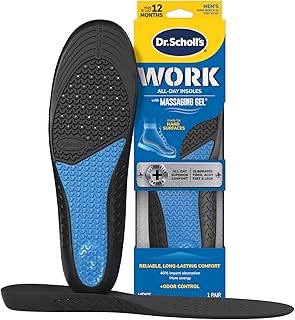
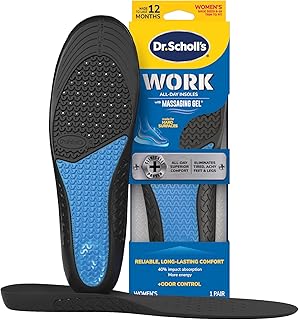
Work Orthotic Insoles for Plantar Fasciitis - Welnove Superior Comfort Work Boot Insoles for Standing All Day - Anti Fatigue Medium Arch Support Shoe Inserts for Men Women Flat Feet Pain (Size L)
Pick Men's or Women's where the option offers both, then trim to your shoe's outline. Pull out the shoe's original insole first if it lifts out.
No. 06
Slim power bank
Recommended · Phone
An audio guide, a map and label photos over two hours can take half a phone battery, and the phone is also your ticket home. Outlets in galleries are not for visitors.
✓ In kitbudget
Aobbow for MagSafe Power Bank 5000mAh, Ultra Slim Wireless Portable Charger
5,000mAh is one full phone charge and fits in a pocket.
No. 07
Close-focus monocular
Situational · Viewing · Art Museums add-on
Lets you read brushwork, ceiling paintings and pieces hung high from behind the barrier. Ordinary binoculars cannot focus on anything closer than about 10 feet.