Winter doubles on a heated deck, with the screens in play.
Platform tennis is an outdoor doubles game played in the cold months on a raised aluminum deck about a third the size of a tennis court, fenced in by 12-foot wire screens. You hit a solid rubber ball with a short perforated paddle, score it like tennis, and can play the ball off the screens after it bounces, so points last far longer than they look like they should. Heaters under the deck melt snow and ice, which is why the season runs from October to March. Most players call it paddle, and most of them came for the game and stayed for the foursome and the warming hut afterward.
Difficulty
beginner-friendly
Startup cost
$145-$440
First result
A full doubles set, screens included, in 2-3 sessions
First month
Paddle-bag total$0.00
01
Your first month on the deck
Tick these off as you go
02
How it differs from tennis
1The lined court is 44 feet by 20 feet, the same as a pickleball court, on a deck 60 feet by 30 feet. The net is 34 inches high at the center.
2Scoring is tennis scoring: 15, 30, 40, game, with sets to six games and a tiebreak at 6-6.
3You get one serve, not two. A fault loses the point, so a safe serve beats a fast one.
4A serve that clips the net and lands in the correct box is played, not replayed.
5After the ball bounces inside the lines it may hit one or more screens, and you can still return it as long as it has not touched the deck a second time.
6A ball that hits a screen before it bounces is out.
7The game is doubles. Singles exists but is rare, and most clubs do not schedule it.
44 × 20 ft court on a 60 × 30 ft deck, screens all round
No longer than 18 inches, with up to 87 small holes drilled through the face to cut air drag.
Weight
12 to 13.5 ounces (340 to 380 grams). Start at the light end, since you will spend most of a match with the paddle held up at the net.
Core
A softer, lower-density foam core sends the ball deeper with less swing and suits a first paddle. Dense cores trade that power for control and are built for advanced players.
Face
A gritty textured face grips the ball for spin. The grit wears smooth with play, which is the main reason regular players replace a paddle every season or two.
Grip
Adult paddles come in one size, 4 1/4 inches. If it feels thin, a pro shop can build it up for you.
Before each session
▸Before each session, bring the paddle and balls from indoors, not from the trunk. A cold core plays dead and a cold ball barely bounces.
▸If the deck is wet or icy, ask the club to run the heaters before you arrive, and push standing water out through the flip-up snow boards at the base of the screens.
04
Four ways to play
Social paddleDrop-in nights and round robins where partners rotate every few games. This is how most people start and how many keep playing.+
Start here
Ask the pro or the front desk at your nearest courts when the next beginner clinic or open paddle night is, and sign up as a single. You will be dropped into a foursome and rotated every few games.
League playWeekly team matches against other clubs, sorted into series by rating so you face players of your own level.+
Start here
Tell the paddle pro you want league play. New players are placed on a lower-series team, and your rating starts moving after your first few recorded matches.
Paddle tennisAn older, warm-weather cousin on a 50-by-20-foot court at ground level with no screens, an underhand serve and a low-compression felt ball.+
Start here
Find a paddle tennis court (they are most common at beach clubs and parks in California, Florida and New York), bring one can of low-compression balls and play a set with underhand serves.
Beach tennisTwo against two on sand over a 5-foot-7 net, all volleys, since the ball is never allowed to bounce.+
Start here
Take a paddle and three orange balls to a beach volleyball court, lower the net to 5 feet 7 inches and see how many volleys you and a partner can keep in the air.
Open one to see where to start. Paddle tennis and Beach tennis each have a button that adds their own paddle and balls to the bag.
Beach tennis: a high net on sand
05
Skills to work on first
The lob comes first
The lob
The most used shot in the game. High, deep and down the middle, it pushes the other team off the net and buys you time.
The volley
Short and firm with almost no backswing, aimed at the feet of the player in front of you.
The overhead
Hit at about two-thirds power and placed deep to a corner. A full smash only bounces up off the back screen into an easy lob.
Screen play
Turn sideways, let the ball pass, wait for it to come off the wire and drop, then hit it in front of you.
The serve and first volley
One spin serve into the box, then three steps in to join your partner at the net.
06
What trips beginners up
What to expect, and what to drop
→Expect the screens to feel wrong for the first few weeks. Every tennis reflex says to hit the ball before it gets past you, and here patience wins the point.
→Expect long points. Rallies of twenty or thirty shots are normal, and most end on an error, not a winner.
→Expect to double fault away games until you slow your serve down.
×Do not swing like a tennis player. The ball is heavy and the court is short, so a full swing sends it into the back screen on the fly.
×Do not try to end the point from the baseline. Lob, wait for a short ball, and attack only when you are at the net.
×Do not drift back after you serve. The serving team holds the net together, and one player hanging back leaves a gap down the middle.
07
Cold-weather and court safety
▲Warm up indoors for five minutes, then hit easy volleys before you play. Cold calves and Achilles tendons are the injuries this sport is known for.
▲Check the deck before you start. Frost in the shaded corners is slick even on a gritted surface, so run the heaters or sweep it off first.
▲Call "yours" or "mine" on every ball down the middle. Two paddles swinging at the same ball in a 20-foot-wide court is how hands and faces get hit.
▲Stop when your fingers go numb or white. Warm them in the hut between sets, and change out of a sweat-soaked base layer before you sit down.
08
Where to learn and find a game
A clinic with a certified paddle pro is the fastest way in, and most clubs run a beginner series in October and November for $20 to $40 a session. Between lessons, watch a full match from the national championships and count how often the best players lob: it resets what you think a good shot is. To find a game, join a club ladder or ask to be added to the sub list. Courts are concentrated in the Northeast, the Mid-Atlantic and around Chicago, with pockets around Pittsburgh, in Ohio and in Colorado.
The paddle is most of the cost, because platform paddles are made by a handful of specialist brands and there is no true budget tier. Balls are the running expense: a sleeve lasts two or three matches before the deck wears it smooth. Shoes and a glove come next because the grit and the cold are the two things the game adds to an ordinary racquet sport. Paddle tennis and beach tennis each need their own paddle and ball, so those sit behind their own add-ons. Eyewear is optional and worth it if you play a lot of net. Court time is not in the kit: a public court runs a few dollars an hour, and a winter paddle membership at a private club can cost several hundred dollars a season.
10
Pack the paddle bag
Compare the options below, then set your tiers and check out from the bag. Clicking a card selects it there. The paddle, balls, shoes and glove start in the bag. The Paddle Tennis and Beach Tennis lines join once you switch that game on, and the eyewear waits until you add it.
Platform tennis paddle
essential · Core equipment
It is the one tool of the game, and nothing from another paddle sport is legal or built for the heavy rubber ball. A light paddle with a soft core gives a new player depth on lobs without a hard swing.
✓ In kitbudget
Viking O-Zone Lite GG (Gradient) Platform Tennis Paddle
Adult paddles come in one grip size, 4 1/4 inches. Skip junior models, which are shorter and have a smaller grip. Last season's paddles often sell at a discount and play the same.
Platform tennis balls
essential · Consumables
The ball is solid sponge rubber with a fuzzy flocked coat, heavier and lower-bouncing than a tennis ball, and no other ball works on the deck. The gritty surface wears the flocking off in two or three matches.
✓ In kitbudget
Viking Extra Duty Platform Tennis Ball Yellow (Sleeve of 2)
A sleeve holds two balls, which is one match. Keep them indoors until you play: a ball left in a cold car bounces far lower.
Court shoes with a durable outsole
recommended · Footwear
The deck is coated in grit so it grips when wet, and that grit sands through soft running-shoe rubber in a few weeks. A hard-court tennis shoe has the tough outsole and the side support for quick stops at the screens.
Pick Men's or Women's on the option you choose. Wear a thicker sock in winter and size for it. Carry the shoes to the court so you do not track salt and gravel onto the deck.
Platform tennis glove or mitt
recommended · Cold-weather gear
The season runs through the coldest months, and a numb hand cannot feel the paddle. A thin glove with a tacky palm keeps your grip in the cold and damp, where a ski glove is too bulky to hold a paddle.
X Xenon Paddle Cold Weather Paddle Tennis Mitt, Waterproof Hand Warmer for Platform Tennis, Windproof Thinsulate Lining, Stretch Knit Cuff, Keeps Hands Warm While Playing
A glove fits snug like a golf glove. A mitt is a sleeve that covers your hand and the handle together, so your bare palm stays on the grip. Many players glove only the paddle hand.
Paddle tennis is played with a felt ball on a ground-level court, and its paddle is wider and thicker than a platform paddle, with a foam core tuned for that lighter ball.
✓ In kitbudget
LAPAT Padel Racket with Cover Bag - Carbon Surface with EVA Memory Foam- Paddle Tennis Racquets Lightweight - POP Tennis
This is a separate paddle from the platform one. Look for a length of 18 inches or less with a wrist strap.
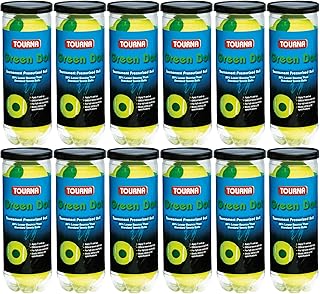
Green-dot low-compression tennis balls
situational · Consumables · Paddle Tennis add-on
Paddle tennis uses a felt ball with about three-quarters of a tennis ball's pressure. It bounces lower and travels slower, which is what makes a 50-foot court playable.
✓ In kitbudget
Oncourt Offcourt Quick Start 78" Green Dot Balls – 1 Can of 3 Balls/Same Size as Regular Tennis Balls/Green Balls
This is a separate paddle from the platform one. The rules cap it at about 20 inches long, and 11 to 12.5 ounces suits most adults.
Orange low-compression beach tennis balls
situational · Consumables · Beach Tennis add-on
The beach game is played with the orange low-compression ball, about half the pressure of a tennis ball. It is slow enough to keep a rally alive when the ball can never touch the sand.
✓ In kitbudget
Sexy Brand The SXY Ball - ITF Approved, Rally-Friendly, Lightweight & Durable, Perfect for Tournament Play (3 Pack)
Three balls cover a match. Rinse the sand off and they last a season.
Protective sports eyewear
optional · Safety gear
Four players stand within a few steps of each other at the net, and a hard rubber ball can come off a paddle or a screen at face height with no time to react. Eyewear solves that one problem.