Skip to content

Starter guide · Fire and smoke

Raku Firing

Pull a glowing pot from the kiln and let fire and smoke finish it.

Most people try raku for the first time at a one-day studio workshop, where the kiln, the fire and an experienced crew are already set up and you bring a few pots to glaze. Raku is a fast, outdoor firing: a glazed pot heats in a small gas kiln to roughly 1,800°F, gets lifted out red-hot with long tongs, and goes straight into a metal can of sawdust or newspaper that bursts into flame. With the lid on, the fire starves the pot of oxygen, so smoke soaks black into every glaze crack and copper glazes flash metallic red, green and gold. A pot goes from glowing to finished in under an hour, and no two come out alike, which is why people keep coming back. Raku pieces are decorative only (not food-safe or watertight). A workshop plus your own clay, glaze and heat gear runs roughly $200 to $620.

Difficulty
Moderate learning curve
Startup cost
$200-$620
First result
Your first finished raku pot at the end of your first firing day
Heat it till the glaze runs wet
A potter in gloves lowers a hot pot with long tongs into a metal can as flames and smoke rise
01

What happens on a raku day

Heat, pull, smoke, scrub

A raku firing is a group event that runs most of a day. Everyone arrives with bisque-fired pots already glazed, the kiln is lit, and pieces go in a few at a time. When the glaze melts and turns glossy (usually 20 to 40 minutes per load), the kiln opens and someone in gloves and a face shield lifts each glowing pot out with tongs and sets it in a can lined with sawdust or crumpled newspaper. Flames jump up, the lid goes on, and the pot sits in thick smoke for 10 to 20 minutes. Then it comes out, gets sprayed or left to cool, and is scrubbed clean to reveal the colors. The firing crew works in pairs, so you spend as much time helping and watching as handling your own pots.

02

Where raku can take you

Pit firingThe oldest alternative firing, done in a hole in the ground or a steel drum with wood, sawdust and coloring chemicals. It uses burnished, unglazed pots and gives soft smoky clouds of red, pink and black.

Start here

Burnish two bone-dry pots from smooth low-fire clay with a polished stone until they shine, have them bisque fired, then dig a shallow pit in bare ground and fire them with sawdust, wood and a sprinkle of copper sulfate.

A Pit Firing Color Palette
Glaze makingMixing your own raku glazes from powdered frit, kaolin and colorants. It costs far less per pot than bought glazes and lets you chase the exact crackle or copper flash you want.

Start here

Pick a published two-ingredient frit and kaolin raku base from a free recipe database, weigh out a 100-gram test batch, add a pinch of copper carbonate to half of it, and bring both on test tiles to your next raku day.

Glazy glaze recipe database

Open a card for its first step. Adding a direction puts its gear in your raku day bag; you can add both, and the clay, glaze and heat gear stay in either way.

03

Staying safe around a 1,800°F pot

  • Dress in natural fibers: cotton or wool, long pants, closed leather shoes, and long hair tied back. Synthetic fabric melts onto skin.
  • Wear heat-rated gloves and a full face shield every time you pull a pot or open the kiln. Ordinary safety glasses leave your face exposed to radiant heat.
  • Stand upwind of the reduction cans and step back when the lid comes off. The smoke is dense and irritating.
  • Keep a charged garden hose and a fire extinguisher within reach (any brand works), and clear dry grass and leaves away from the firing area.
  • Wear a dust respirator rated N95 or better (any brand works) when you sand pots or mix dry glaze powders, and wear disposable gloves to handle copper chemicals.
  • Check local burn rules before any home firing; many towns restrict open fires and pits, and propane kilns need a clear outdoor site well away from buildings.
04

Your first raku firing, step by step

Three handbuilt unglazed clay pots standing together on a white plinth
Small, even-walled pots ready for glaze

What you can fire in your first month

Copper glaze pinch pot

A palm-sized pot that shows how much the reduction can changes a copper glaze from flat green to metallic flashes.

Glaze test tiles

Brush one, two and three coats of each glaze on flat tiles so you learn what thickness gives you crackle, flash or a dull finish.

Half-glazed vase

Wax the lower half so it stays bare clay and comes out smoke-black next to the glazed top.

Small slab dish

A flat piece is the easiest shape to grip with tongs and the least likely to crack when it hits the cold air.

05

Skills that make the difference

Glaze thickness

Too thin and the crackle never forms, too thick and it crawls or runs onto the kiln shelf. Test tiles teach this faster than whole pots.

Reading the melt

A ready glaze looks like wet honey with no pinholes or bubbles. Pulling early leaves a rough, sugary surface.

The pull and the drop

A firm grip low on the pot, a smooth lift, and a gentle set-down in the can. Most raku breaks happen in this ten seconds.

Reduction timing

A short reduction keeps copper bright, a long one turns it dark. Burping the lid open for a few seconds lets oxygen back in to change the color.

06

What trips beginners up

  • Expect some cracks and breaks. Raku shocks clay hard, and even experienced potters lose a pot in every few firings.
  • Expect surprises. Copper glazes can come out anywhere from dull green to metallic red, and that is half the fun.
  • Raku pieces stay porous and are not food-safe, so plan on vases, bowls for dry objects and wall pieces.
  • Firing days depend on weather; rain and high wind cancel them.
  • Using smooth throwing clay without grog. It cracks easily in the jump from kiln to air; use a grogged raku body.
  • Making pots too big or too thick at first. Small, even-walled pieces survive the pull far more often.
  • Scrubbing too soon or too hard. Let the pot cool fully, then clean gently so you do not dull a metallic surface.
The glowing orange inside of a small brick kiln with a pot sitting in the heat
Inside the kiln at full heat
07

Where to learn more

The best teacher is a regular raku day at a local studio, where you can watch dozens of pulls before your own. Between firings, free articles from the big ceramics magazines explain glazing, timing and safety in detail, and a free online glaze database lets you browse tested raku recipes with photos of fired results.

08

Why the kit looks like this

The workshop comes first because it supplies the expensive part (the gas kiln, propane, reduction cans and combustibles) and teaches the pull safely. Your own spend goes on clay and glaze, plus the personal heat gear studios often ask you to bring. Clay sold specifically as raku is rare online, so the clay options are grogged stoneware and sculpture bodies that handle the same thermal shock. For tongs, choose a pair 24 inches or longer whose jaws open wider than your biggest pot, and test the grip on a cold pot; studios usually lend tongs at workshops, so buy your own once you fire often. For gloves, look for a heat rating well above 500°F and a cuff that covers your wrists. A raku kiln of your own comes much later, from a ceramic supplier, and most hobbyists keep firing at shared studio events for years.

Rows of pots glowing orange inside a long brick kiln tunnel
A big brick kiln mid-firing; a raku kiln holds a few pots at a time
A potter in orange heat gloves sets the lid on a smoking metal reduction can
09

Pack for raku day

A workshop first, then clay, glaze and heat gear

The first line is the workshop itself, which you book with a studio rather than buy online. After that come the clay, glaze and heat gear every beginner needs, then tongs and wax resist. The pit firing and glaze making gear starts out of the bag until you add that direction, from its card above, the cart's add-on chips, or by picking one of its products. Clicking a card selects it in the bag, and clicking the selected card again takes that line out.

Piece 01

Raku workshop or studio raku day

Essential · Instruction

Raku means handling pots at 1,800°F next to a live gas kiln, so your first firings should be with people who run them every month and own the kiln.

Not sold on Amazon · booked with a studio

Not sold on Amazon. Look for a community clay studio, art center or college continuing-education program that runs raku days. A one-day workshop typically costs $75 to $250 and usually includes kiln time, combustibles and the bisque firing of your pots; ask whether you bring your own gloves and face shield.

Piece 02

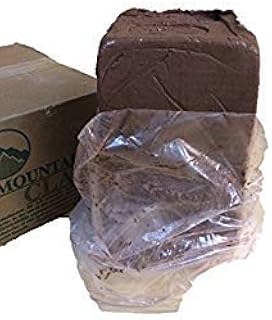
Grogged clay for raku

Essential · Consumables

Grog (pre-fired sand-like particles) opens up the clay so it survives the jump from a red-hot kiln into cool air without cracking.

budget
SIO-2 PRAF White High Fire Ceramic Sculpture Clay, 27.6 lb (Cone 6-10)

SIO-2 PRAF White High Fire Ceramic Sculpture Clay, 27.6 lb (Cone 6-10)

4.6(9)

$26.95

View on Amazon
mid-range
SIO-2 PRAI White Stoneware High Fire Pottery Clay, 27.6 lb (12.5 kg), Kiln-Fired Clay for Wheel-Throwing, Hand Building & Modelling - Create Pottery and Artwork, Ready-to-Use

SIO-2 PRAI White Stoneware High Fire Pottery Clay, 27.6 lb (12.5 kg), Kiln-Fired Clay for Wheel-Throwing, Hand Building & Modelling - Create Pottery and Artwork, Ready-to-Use

4.5(27)

$38.05

View on Amazon
premium
Pottery Clay: Mid Fire Best Mix- BMix - BMX 5-7 Grog Cone 5-7 - Rocky Mountain Clay (25, Pounds)

Pottery Clay: Mid Fire Best Mix- BMix - BMX 5-7 Grog Cone 5-7 - Rocky Mountain Clay (25, Pounds)

4.7(9)

$46.40

View on Amazon

One 25 lb bag makes 15 to 25 small pots. Clay labeled for raku is rare online; a groggy stoneware or sculpture clay behaves the same way. If your studio sells its own raku clay by the bag, that works too.

Piece 03

Raku glaze

Essential · Consumables

Raku glazes melt at low temperature in minutes and are made to crackle or flash metallic in the reduction can; ordinary stoneware glazes will not melt in a raku kiln.

budget
Raku Glaze - Copper Metallic, RK101, Pint

Raku Glaze - Copper Metallic, RK101, Pint

4.8(9)

$16.32

View on Amazon
mid-range
Penguin Pottery - Ceramic Glaze - Raku Series - Penny 4UR Thoughts - 16 oz | 473 ml

Penguin Pottery - Ceramic Glaze - Raku Series - Penny 4UR Thoughts - 16 oz | 473 ml

3.9(93)

$23.95

View on Amazon
premium
Penguin Pottery - Ceramic Glaze - Raku Glazes - Multicolor - Set of 8 Jars (4 fl.oz | 118 ml each)

Penguin Pottery - Ceramic Glaze - Raku Glazes - Multicolor - Set of 8 Jars (4 fl.oz | 118 ml each)

4.0(45)

$50.96

View on Amazon

A pint covers 8 to 12 small pots in three coats. Copper-based glazes give the most dramatic color shifts; the sampler set is the way to try several looks before committing to pints.

Piece 04

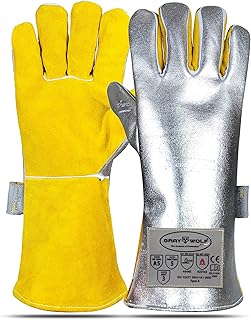
High-heat kiln gloves

Essential · Safety gear

Even with long tongs, radiant heat from an open kiln and a flaming can reaches your hands, and you will steady lids and move hot bricks.

budget
Graywolf® Aluminized Heat Resistant Welding Glove/Large/1472°F│Fire Gloves│Kevlar Gloves│High Heat│Foundry glove│

Graywolf® Aluminized Heat Resistant Welding Glove/Large/1472°F│Fire Gloves│Kevlar Gloves│High Heat│Foundry glove│

4.3(201)

$26.99

View on Amazon
mid-range
Wells Lamont Industrial 625 JOM Kevlar Terrycloth High-Heat Gloves, Kevlar, X-Large, Brown/Yellow

Wells Lamont Industrial 625 JOM Kevlar Terrycloth High-Heat Gloves, Kevlar, X-Large, Brown/Yellow

4.9(11)

$53.29

View on Amazon
premium
MAGID Wool Lined Kevlar High-Heat Gloves

MAGID Wool Lined Kevlar High-Heat Gloves

3.7(3)

$78.76

View on Amazon

Choose the size that lets you close your hand around tong handles. Skip grill gloves rated around 500°F; look for Kevlar or aluminized gloves rated well above that.

Piece 05

Full face shield

Essential · Safety gear

Opening a raku kiln throws a wall of heat at your face, and flames flare up when a hot pot hits the combustibles.

budget
ARCCAPTAIN Face Shield for Grinding and Cutting, Full Face Mask

ARCCAPTAIN Face Shield for Grinding and Cutting, Full Face Mask

4.6(87)

$26.99

View on Amazon
mid-range
Sellstrom DP4 Anti-Fog Clear Tint Face Shield & Flip-Up IR Visor ANSI Z87.1

Sellstrom DP4 Anti-Fog Clear Tint Face Shield & Flip-Up IR Visor ANSI Z87.1

4.6(488)

$59.39

View on Amazon
premium
Oberon Heat Reflective Face Shield - Ratchet Headgear

Oberon Heat Reflective Face Shield - Ratchet Headgear

4.6(26)

$105.21

View on Amazon

A clear shield is enough for a beginner; a tinted infrared visor or heat-reflective coating cuts glare and radiant heat if you end up doing most of the pulling.

Piece 06

Raku tongs

Recommended · Core equipment

Tongs are how a raku pot gets from kiln to can, and a pair you know well makes the pull steadier and safer.

budget
26" ProCast Foundry Crucible Flask Tongs for Holding Graphite Refinery Crucibles for Melting Casting Refining Gold Silver Copper Metal - Heavy Duty Universal Tong Tool

26" ProCast Foundry Crucible Flask Tongs for Holding Graphite Refinery Crucibles for Melting Casting Refining Gold Silver Copper Metal - Heavy Duty Universal Tong Tool

4.1(12)

$27.80

View on Amazon
mid-range
24" Blacksmith Tong Foundry Hinged Metal Tongs

24" Blacksmith Tong Foundry Hinged Metal Tongs

4.5(18)

$43.99

View on Amazon
premium
36" Black Carbon Bent Hinged Foundry Crucible Tongs for Casting Precious Metals

36" Black Carbon Bent Hinged Foundry Crucible Tongs for Casting Precious Metals

3.6(49)

$59.95

View on Amazon

Studios lend tongs at workshops, so buy your own once you fire regularly. Longer tongs keep your hands cooler but are harder to control; 24 to 36 inches suits most small pots.

Piece 07

Wax resist

Recommended · Consumables

Wax keeps glaze off the foot so pots do not glue to the kiln shelf, and it leaves bare patches that the smoke turns rich black.

budget
Mayco Wax Resist for ceramics 2 oz. bottle Wax Resist acts to repels glaze from the surface to which it is applied.

Mayco Wax Resist for ceramics 2 oz. bottle Wax Resist acts to repels glaze from the surface to which it is applied.

4.4(150)

$7.99

View on Amazon
mid-range
Penguin Pottery - Ceramic Wax Resist - 16 oz - Repels Liquid Ceramic Glaze - Use for Decorative Effects - Alternative to Latex Resist

Penguin Pottery - Ceramic Wax Resist - 16 oz - Repels Liquid Ceramic Glaze - Use for Decorative Effects - Alternative to Latex Resist

4.6(718)

$23.75

View on Amazon
premium
Laguna | Premium | Wax Resist (16 oz)

Laguna | Premium | Wax Resist (16 oz)

4.8(59)

$33.00

View on Amazon

The small bottle covers a first workshop; the pint lasts a year of regular firings.

Piece 08

Smooth low-fire clay for burnishing

Situational · Consumables · Pit firing

Pit-fired pots are usually burnished to a shine instead of glazed, and only a fine clay without grog polishes up smooth.

budget
Deouss 20 lbs Low Fire Pottery Clay - Terra Cotta, Cone 06. Earthware Potters Throwing Clay.Ideal for Wheel Throwing,Hand Building,Firing and More,Pottery Clay for Sculpting,Beginners and Advance

Deouss 20 lbs Low Fire Pottery Clay - Terra Cotta, Cone 06. Earthware Potters Throwing Clay.Ideal for Wheel Throwing,Hand Building,Firing and More,Pottery Clay for Sculpting,Beginners and Advance

4.4(896)

$34.99

View on Amazon
mid-range
Pottery Clay - 25 lb Terra Cotta Low Fire Cone 06 - Rocky Mountain Clay's Red Rock Red

Pottery Clay - 25 lb Terra Cotta Low Fire Cone 06 - Rocky Mountain Clay's Red Rock Red

4.6(319)

$37.95

View on Amazon
premium
Old Potters Low Fire Pottery Clay White, 25 lbs (Cones 06-04) Made in USA for Modeling and Wheel Throwing and Hand Building, Pottery Clay for Sculpting, Beginners, and Advanced

Old Potters Low Fire Pottery Clay White, 25 lbs (Cones 06-04) Made in USA for Modeling and Wheel Throwing and Hand Building, Pottery Clay for Sculpting, Beginners, and Advanced

4.6(656)

$46.99

View on Amazon

White clay shows pit-fire colors most vividly; red terra cotta gives warmer, earthier results.

Piece 09

Burnishing stone

Situational · Tools · Pit firing

Rubbing leather-hard clay with a polished stone compresses the surface into a soft sheen that pit-fire smoke colors beautifully.

budget
Professional Agate Knife Burnisher Hand Jewelry Polishing Tool Gold Silver Polishing Tools Hand Jewelry

Professional Agate Knife Burnisher Hand Jewelry Polishing Tool Gold Silver Polishing Tools Hand Jewelry

4.7(68)

$8.99

View on Amazon
mid-range
Natural Agate Burnisher Tool for Jewelry Making, Scratch-Free Agate Stone Knife Polishing Kit for Silver Metal Clay, Gold, Copper and Leather Burnishing

Natural Agate Burnisher Tool for Jewelry Making, Scratch-Free Agate Stone Knife Polishing Kit for Silver Metal Clay, Gold, Copper and Leather Burnishing

4.4(212)

$9.99

View on Amazon
premium
Square Flat Agate Burnisher : Metal Clay Jewellers 22cm Shaping Craft Tool (50)

Square Flat Agate Burnisher : Metal Clay Jewellers 22cm Shaping Craft Tool (50)

3.5(17)

$21.95

View on Amazon

The back of a smooth spoon works for a first try; a stone with a flat face covers broad pot walls faster.

Piece 10

Copper sulfate for pit-fire color

Situational · Consumables · Pit firing

Sprinkled around pots in the pit, copper sulfate gives the pink, red and green blushes pit firing is known for.

budget
Copper Sulfate Pentahydrate - 25.2% Cu - 1 Pound - Easy to Dissolve - Powder

Copper Sulfate Pentahydrate - 25.2% Cu - 1 Pound - Easy to Dissolve - Powder

4.6(929)

$8.49

View on Amazon
mid-range
Copper Sulfate Crystals 1 lb – 99% Pure Copper Sulfate Powder Pentahydrate – Industrial Grade Cupric Sulfate/Blue Vitriol for Electroplating, Etching, Patina & Lab Use – Resealable Pouch

Copper Sulfate Crystals 1 lb – 99% Pure Copper Sulfate Powder Pentahydrate – Industrial Grade Cupric Sulfate/Blue Vitriol for Electroplating, Etching, Patina & Lab Use – Resealable Pouch

4.7(31)

$18.98

View on Amazon
premium
5 LB Copper Sulfate Crystals – Technical Grade Crystal Material for Industrial, Laboratory and General Purpose Applications

5 LB Copper Sulfate Crystals – Technical Grade Crystal Material for Industrial, Laboratory and General Purpose Applications

4.6(112)

$39.99

View on Amazon

A pound lasts many firings. Handle it with disposable gloves, keep it away from pets and streams, and store it sealed.

Piece 11

Glaze frit

Situational · Glaze materials · Glaze making

Frit is pre-melted glass ground to powder, and it makes up most of a typical raku glaze recipe because it melts fast at low temperature.

budget
Ferro Frit 3134 (5, Pounds)

Ferro Frit 3134 (5, Pounds)

No rating yet

$40.70

View on Amazon
mid-range
Artistic Industries Ferro Frit 3124-2 Ceramic Glaze Material 10 lb

Artistic Industries Ferro Frit 3124-2 Ceramic Glaze Material 10 lb

No rating yet

$62.70

View on Amazon

Check which frit your chosen recipe calls for before buying; the two common ones behave a little differently.

Piece 12

Kaolin for glazes

Situational · Glaze materials · Glaze making

A small share of kaolin keeps the frit suspended in water and helps the glaze stick to the pot.

budget
White Kaolin Clay Powder, 5 lb, Made in USA

White Kaolin Clay Powder, 5 lb, Made in USA

4.7(381)

$31.99

View on Amazon
mid-range
Edgar Minerals Kaolin Clay Powder | 5 lb

Edgar Minerals Kaolin Clay Powder | 5 lb

4.3(35)

$55.00

View on Amazon

The cheaper bag is sold for cosmetics; it is the same mineral, but a ceramic-grade bag from a clay miner gives more predictable results batch to batch.

Piece 13

Copper carbonate colorant

Situational · Glaze materials · Glaze making

Copper is the colorant behind raku metallic and copper-matte effects; a few percent in a clear base gives turquoise, red and gold flashes.

budget
Copper Carbonate Weight: 100g By Inoxia

Copper Carbonate Weight: 100g By Inoxia

4.1(61)

$7.69

View on Amazon
mid-range
Copper (II) Carbonate Solid – High Purity Industrial Grade | Green Powder for Chemical Reactions, Pigments, and Research Applications (100 Grams)

Copper (II) Carbonate Solid – High Purity Industrial Grade | Green Powder for Chemical Reactions, Pigments, and Research Applications (100 Grams)

5.0(4)

$17.99

View on Amazon
premium
Copper Carbonate [Cu2(OH) 2CO3] 98% AR Grade Powder 1 Lb in Two Space-Saver Bottles USA

Copper Carbonate [Cu2(OH) 2CO3] 98% AR Grade Powder 1 Lb in Two Space-Saver Bottles USA

4.7(4)

$29.99

View on Amazon

100 grams is plenty for months of test batches. Wear a respirator and gloves when weighing it.

Piece 14

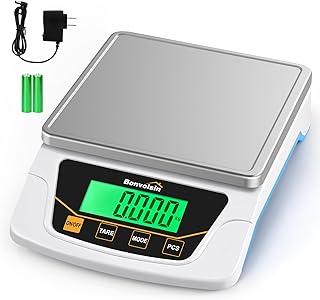
Digital gram scale

Situational · Tools · Glaze making

Glaze recipes are written as percentages by weight, and colorants are measured in single grams, so you need a scale that reads to 0.1 g.

budget
AMIR Digital Kitchen Scale, 3000g 0.01oz/ 0.1g Pocket Coffee Scale, Mini Food Scale, Pro Electronic Jewelry Scale with Back-Lit LCD Display, Tare & PCS Functions, Stainless Steel, Batteries Included

AMIR Digital Kitchen Scale, 3000g 0.01oz/ 0.1g Pocket Coffee Scale, Mini Food Scale, Pro Electronic Jewelry Scale with Back-Lit LCD Display, Tare & PCS Functions, Stainless Steel, Batteries Included

4.5(1.7K)

$14.99

View on Amazon
mid-range
Digital Gram Scale 6000g x 0.1g Lab Scale with 6 Units

Digital Gram Scale 6000g x 0.1g Lab Scale with 6 Units

4.4(106)

$29.08

View on Amazon
premium
American Weigh Scales Precision Digital Kitchen Weight Scale, Food Measuring Scale with Bowl 3kg x 0.1g (Black), LB-3000

American Weigh Scales Precision Digital Kitchen Weight Scale, Food Measuring Scale with Bowl 3kg x 0.1g (Black), LB-3000

4.5(2.3K)

$44.99

View on Amazon

Keep it for glaze work only, not food.

Piece 15

Glaze sieve, 80 mesh

Situational · Tools · Glaze making

Pushing mixed glaze through a fine screen breaks up lumps of colorant that would otherwise fire as specks and blotches.

budget
4" (10cm) 304 Stainless Steel Lab Sieve, 80 Mesh (0.2mm) Screen Sifter

4" (10cm) 304 Stainless Steel Lab Sieve, 80 Mesh (0.2mm) Screen Sifter

4.0(58)

$16.99

View on Amazon
mid-range
7.9" (20cm) 304 Stainless Steel Lab Sieve, 80 Mesh (0.2mm) Screen Sifter

7.9" (20cm) 304 Stainless Steel Lab Sieve, 80 Mesh (0.2mm) Screen Sifter

4.6(272)

$19.99

View on Amazon
premium
LABALPHA 80 Mesh Lab Sieves, #80 Mesh Test Sieve, 8'' Diameter, 304 Stainless Steel Wire Cloth (0.2mm)

LABALPHA 80 Mesh Lab Sieves, #80 Mesh Test Sieve, 8'' Diameter, 304 Stainless Steel Wire Cloth (0.2mm)

4.5(58)

$38.99

View on Amazon

A 4-inch sieve suits 100-gram test batches; the 8-inch size handles pint-sized batches.