Skip to content

Starter guide · no partner needed · count to eight

Salsa Dancing

Learn the basic step, find the clave and dance with strangers by month two.

Salsa is a partner dance from the Latin clubs of New York, Puerto Rico and Cuba, and you can start it tonight in a beginner class wearing smooth-soled shoes you already own. No partner is required: classes rotate partners every few minutes. One person leads and one follows, and nearly every move grows out of a six-step basic danced over eight counts of music. The payoff is the social, an evening of three-minute dances with people you have never met, where a handful of patterns and good timing are enough to have a great night.

Difficulty
Moderate learning curve
Startup cost
$25-$210
First result
Your first full song at a social after 4-6 weeks of beginner classes
Overhead view of a crowd dancing in pairs on a lamp-lit square at night
01

Why people get hooked on salsa

Fifteen partners a night, and a scene that becomes friends

Salsa is one of the fastest ways to meet a room full of new people: at a social you might dance with fifteen partners in a night, and a regular scene turns into a circle of friends within a few months. The music does a lot of the work. Once you can hear the beat in a salsa song, the horns, piano and congas give you something to play with, and a simple pattern danced on time feels great. It is also a real workout: an evening at a social is easily two hours on your feet to music running at 180 beats a minute or faster, and most people only notice the next morning.

02

Your first month, step by step

03

On 1 or On 2: which timing to learn

What it means. Salsa music runs in phrases of eight counts and you step on six of them (1-2-3, pause on 4, 5-6-7, pause on 8). The difference between styles is which beat you change direction on, called the break.

On 1 (often called LA style)

  1. 1
  2. 2
  3. 3
  4. 4
  5. 5
  6. 6
  7. 7
  8. 8

You break on 1 and 5, the strongest beats, so it is the easiest timing to hear at first. It is the most common style taught in much of the US and Europe.

On 2 (New York style or mambo)

  1. 1
  2. 2
  3. 3
  4. 4
  5. 5
  6. 6
  7. 7
  8. 8

You break on 2 and 6, which lines up with the conga and bass and feels smoother and more grounded once it clicks. It is the standard in New York and popular at congresses.

The break The pause

Cuban salsa (casino)

Danced in a circular rather than a straight-line style, often in groups called rueda. Some cities have whole Cuban scenes of their own.

How to choose

Learn whatever your local socials dance, since that is where you will use it. On 1 and On 2 use the same moves, so switching later is a few weeks of retraining, not starting over.

Black and white photo of a couple in a close hold with hands raised at a crowded social
A crowded social floor
04

The skills to build first

Counting the music

Find the 1 in a song by listening for where the phrase starts, then count eights. Your teacher will count in class; at a social you have to find it yourself.

The clave

A five-note rhythm (two bars, split 3-2 or 2-3) that the whole salsa band is built around. Clapping along to it in songs is the fastest way to stop getting lost.

The basic step

Forward and back in a line, small steps, weight fully on each foot, with the pauses on 4 and 8 kept clean.

Frame

Arms toned and slightly in front of you, elbows down, so the lead can travel through your arms without pushing or pulling.

The right turn

The follower turns clockwise under a raised hand, usually prepared on 1-2-3 and turned on 5-6-7. Spotting (keeping your eyes on one point as long as you can) stops dizziness.

The cross-body lead

The leader steps out of the line on 1-2-3 and guides the follower across it on 5-6-7. Almost every salsa pattern is built from it, so drill it until it is automatic.

05

Leading and following

Pick either role

Leading and following are roles, not genders, and plenty of classes welcome people in either one. Many dancers learn both eventually, and it makes them better at their main role.

Leading is invitation, not force

You prepare a move a beat early with a small change in your arms or body, then give the follower room to do it. If a move fails, the lead was usually unclear or too late.

Following is active listening

Keep your frame and footwork going, wait for the lead instead of guessing the pattern, and keep dancing your basic until something changes.

Hold lightly

Fingers hook loosely rather than gripping, and never use your thumbs to hold your partner's hand, so either of you can let go during a turn.

Both roles keep time

The leader sets the pace, but the follower who stays on the beat makes the leader's job far easier.

A couple mid-turn, hands raised above the follower's head, on a party dance floor with tables around
A turn under a raised hand
06

Etiquette and consent on the social floor

Asking

Anyone can ask anyone. Offer a hand and ask "Would you like to dance?" A dance is usually one song, sometimes two, and you thank your partner at the end.

Saying no is fine

Anyone can decline any dance without a reason. If someone says no to you, say "no problem" and move on; do not ask the same person again that night unless they come to you.

Dance to your partner's level

Start simple, watch how they respond and stop any move that makes them uncomfortable. Dips, drops and lifts belong in performances, not on a crowded social floor.

No teaching on the floor

Do not correct a partner mid-dance unless they ask. If something is hurting you, say so plainly and right away.

Mind your space

Salsa is danced in a slot, so keep your patterns compact when the floor is busy and protect your partner from collisions.

Close hold is opt-in

Salsa is danced in open or loose closed position. If you move into closer styles such as bachata or kizomba, the follower can always ask for more space.

Freshen up

Wear deodorant, carry mints and bring two or three spare shirts (any brand works). You will sweat, and your partners will notice.

07

What to wear, and how to choose dance shoes

Couples dancing in the street under a stone colonnade, one follower in open-toe heels and her partner in sneakers
Open-toe heels and flat shoes

Start with what you own

For the first few classes, wear leather-soled or smooth-soled street shoes. Avoid rubber-soled sneakers, which grip the floor and twist your knees on turns.

Spinner pads are the cheap fix

Stick-on or slip-on pads with a smooth surface turn a pair of street shoes into shoes you can turn in. Good for a trial month.

Suede soles are the real upgrade

Dance shoes with suede soles let you pivot cleanly but still grip enough to stop. Expect to buy a pair after a month or two.

Start low

In either role, a flat dance sneaker or a practice shoe with a heel under 1.5 inches is the easiest first pair. Many followers later move to an open-toe Latin sandal with a heel of about 2 inches, but heel height is a preference, not a rule.

Fit them snug

Suede and leather stretch, so a dance shoe should feel close all round without pinching, with your toes near the front of an open sandal.

Keep them indoors

Wear dance shoes only on the dance floor, since street grit and water ruin suede. Carry them in a bag and change at the venue.

Brush before each night

When suede soles go slick and shiny, a few strokes with a wire suede brush raise the nap and bring back grip.

Clothes

Anything breathable that lets you move and lift your arms. Avoid big rings, loose bracelets and bags on your body that can snag a partner's hand.

08

What trips beginners up

Losing the beat is normal for weeks

Almost everyone dances off time at first, especially once the teacher stops counting. It improves fastest by listening to salsa outside class.

Socials feel scary at first

The floor looks fast and advanced. Go anyway after a few classes, ask other beginners and the regulars who are known to be kind, and stay simple.

Your moves will not survive the first social

Patterns that work with a classmate fall apart with a stranger at speed. That gap closes with socials, not with more patterns.

Collecting moves instead of basics

Learning ten patterns badly feels like progress but makes you a harder partner. Timing, frame and a clean right turn matter more.

Big steps

Long steps make you late and wobbly. Keep footwork small and under your body, especially as the music speeds up.

Gripping and muscling

Squeezing your partner's hand or yanking them through a turn is the most common complaint about beginner leaders. Relax the hold.

09

Where salsa leads next

BachataA Dominican dance with a four-count side-to-side basic and a tap on 4 and 8. It is slower and easier to hear than salsa, and most salsa socials play it every few songs.

Start here

Take a beginner bachata class or the bachata lesson many salsa nights run before the social, then ask for a bachata the next time the DJ plays one. Your salsa shoes work as they are.

KizombaAn Angolan close-embrace dance built on smooth, grounded walking to slow music. The connection is through the chest and torso rather than the arms, and many cities run kizomba nights of their own.

Start here

Find a kizomba night or a beginner kizomba workshop and focus on the walk and the embrace. Go to a class before a social, since the close hold and quiet lead are very different from salsa.

ZoukBrazilian zouk is a flowing, stretchy dance known for its body waves and head movements for the follower. It has its own festivals and a strong focus on technique.

Start here

Start with a Brazilian zouk fundamentals series and learn head movements only from a teacher. Never try them with a partner on a social floor before you have been taught how to lead and protect the neck.

A couple in a close embrace on a dim club floor, seen over the leader's shoulder
A closer hold on a club floor
10

What you actually need to buy

Classes are the real cost of salsa: a drop-in class usually runs $10-25 and a beginner series about $60-120 a month, and socials charge a cover. The kit is small. Dance shoes with suede soles are the one purchase worth making once you know you will keep going, and a wire brush keeps those soles working. If you would rather not buy dance shoes yet, spinner pads on a pair of street shoes get you through the first month. A spin board is a cheap way to practice turns on any floor at home. Bachata, kizomba and zouk need no extra gear: the same shoes work for all three.

A group of couples in matching shirts dancing on a stage in front of an audience
11

Pack the shoe bag

Classes first, then suede soles and a brush

The first line, classes, is not something you buy online: you pay the school directly. Every other line is on Amazon. Clicking a card selects it in your kit, and clicking the selected card again takes that line out. The spinner pads and the spin board start Out; switch them In if you want them.

Beginner salsa classes

Essential · Lessons

Salsa is a partner dance learned in a room with other people: a teacher fixes your timing and frame, and rotating partners teaches you to lead or follow anyone.

Not sold on Amazon · paid to the school

Not sold on Amazon. Look for a dance school or studio that runs a beginner salsa series (4-6 weeks) and says whether it teaches On 1 or On 2. Expect about $10-25 for a drop-in class or $60-120 for a month of weekly classes. Many socials include a short beginner lesson in the cover charge.

Suede-sole dance shoes

Recommended · Footwear

Suede soles let you pivot through turns without your knees fighting the floor, while still gripping enough to stop. They are the one purchase that changes how dancing feels.

budget
SANSHA Unisex Black Jazz Dance Salsatte 1 Sneakers, Split Sole Lace up Shoes with Suede Sole Design Easy Slide-in with Arch Support - Breathable Mesh Fabric - Ideal for Rehearsal, Ballroom Dance.

SANSHA Unisex Black Jazz Dance Salsatte 1 Sneakers, Split Sole Lace up Shoes with Suede Sole Design Easy Slide-in with Arch Support - Breathable Mesh Fabric - Ideal for Rehearsal, Ballroom Dance.

5.0(1)

$39.90

View on Amazon
mid-range
SWDZM Men&Women Ballroom Dance Practice Shoes

SWDZM Men&Women Ballroom Dance Practice Shoes

4.3(260)

$39.99

View on Amazon

Buy after your first few weeks of classes. Fit them snug, since suede and leather stretch. These are sold for any gender, so check each listing's size chart: unisex dance shoes are often sized in men's, and women usually go down about one and a half sizes. Followers who want a heeled Latin sandal can add one later.

Suede shoe sole brush

Recommended · Shoe care

Suede soles pick up dust and wax and turn slick within a few nights. A few strokes with a wire brush before you dance brings back the grip.

budget
Dance Shoes Brush Wooden Shoes Cleaner Brush Practical Suede Sole Wire Brush for Cleaning Dance Shoes

Dance Shoes Brush Wooden Shoes Cleaner Brush Practical Suede Sole Wire Brush for Cleaning Dance Shoes

4.6(39)

$6.19

View on Amazon
mid-range
Dancing Shoes Brush Wooden Suede Sole Shoe Brush Cleaner Cleaning Brush for Modern Latin Dance Shoes Wire Brush

Dancing Shoes Brush Wooden Suede Sole Shoe Brush Cleaner Cleaning Brush for Modern Latin Dance Shoes Wire Brush

4.5(422)

$8.95

View on Amazon
premium
Dance Shoe Brush - Suede Sole Cleaner & Friction Enhancer (Black)

Dance Shoe Brush - Suede Sole Cleaner & Friction Enhancer (Black)

4.2(43)

$12.09

View on Amazon

Brush in one direction, lightly, away from the stitching. Some dance shoes ship with one, so check the box before you order.

Shoe spinner pads

Optional · Footwear

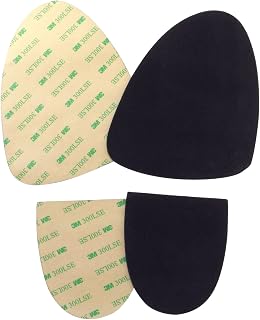
Stick-on suede pads on the ball of a pair of street shoes let you turn without the sole grabbing the floor: a cheap way through a trial month before you commit to dance shoes.

budget
36 Pcs Suede Soles for Dance Shoes Stick on Non Slip Pad,Black

36 Pcs Suede Soles for Dance Shoes Stick on Non Slip Pad,Black

4.0(326)

$14.99

View on Amazon
mid-range
Stick-on Suede Friction-reducing Dance Soles for, Easy pivoting and Sliding on Sticky Indoor Dance Floors, Self-Adhesive Non-Slip High-Heeled Shoes Sole Protector Pads Sticker

Stick-on Suede Friction-reducing Dance Soles for, Easy pivoting and Sliding on Sticky Indoor Dance Floors, Self-Adhesive Non-Slip High-Heeled Shoes Sole Protector Pads Sticker

4.2(470)

$19.99

View on Amazon
premium
Stick-on Suede Soles with Industrial-Strength Adhesive Backing

Stick-on Suede Soles with Industrial-Strength Adhesive Backing

4.3(354)

$29.95

View on Amazon

Press them onto a clean, dry, flat sole. Later they also resole a worn pair of dance shoes.

Spin board for practicing turns

Optional · Practice

For later, once turns are your sticking point: a small low-friction board lets you practice spins and spotting at home on carpet or any floor.

budget
Cosmos Turning Board for Ballet Dance Figure Skating, Improve Your Pirouette Balance and Turns, Turning Training Board Equipment for Dancers, Ice Skaters, Gymnasts and Cheerleaders

Cosmos Turning Board for Ballet Dance Figure Skating, Improve Your Pirouette Balance and Turns, Turning Training Board Equipment for Dancers, Ice Skaters, Gymnasts and Cheerleaders

4.6(288)

$12.95

View on Amazon
mid-range
Turn Board for Dancers and Skaters, Ballet and Figure Skating Spinner

Turn Board for Dancers and Skaters, Ballet and Figure Skating Spinner

4.6(346)

$19.95

View on Amazon
premium
Premium Turning Boards for Dancers, Turn Board for Ballet and Ice Skating

Premium Turning Boards for Dancers, Turn Board for Ballet and Ice Skating

4.6(816)

$25.95

View on Amazon

Practice in socks or bare feet and start with single turns. It drills balance and spotting, not partner work.