Compare the options on each line, then set your tiers and check out from the kit list. Clicking a card selects it there, and clicking the selected card again takes that line out. The fennel, sheep casing and collagen casing lines stay out of the total until you pick their style.
Electric meat grinder (#8 or #12)
Essential · Core equipmentGrinding your own cold pork is what makes homemade sausage better than store-bought ground meat, and it lets you choose the cut and the fat. An electric grinder does 5 pounds in a few minutes.
✓ In kitElectric Meat Grinder, Sausage Stuffer with 3 Sausage Tubes, 2 Blades, 3 Plates, 3200W Max, Meat Grinder Heavy Duty for Home Kitchen Use, Stainless Steel (Black)
★★★★☆4.4(1.4K)
$64.99
✓ In kitLEM Products #8 Countertop Meat Grinder, Electric Meat Grinder
★★★★★4.6(291)
$124.99
✓ In kitLEM Products BigBite #8 Meat Grinder, Electric Meat Grinder
★★★★★4.7(3.1K)
$395.99
Check that coarse and fine plates are included. Ignore the stuffing tubes in the box; use the stuffer below instead.
Vertical sausage stuffer (5 to 7 lb)
Essential · Core equipmentA crank stuffer pushes the seasoned meat into the casing at a steady pace without warming it, so you can guide the casing with your free hand. It is the single biggest upgrade over stuffing through a grinder.
✓ In kitSausage Stuffer, Vertical Stainless Steel Sausage Maker Packed with 8 Tubes, Commercial and Household Use (5LBS VERTICAL)
★★★★☆4.2(352)
$79.99
✓ In kitHakka 7Lb/3L Sausage Stuffers and Vertical Sausage Makers
★★★★★4.8(3.6K)
$129.99
✓ In kitLEM Products MightyBite 5 lb Sausage Stuffer, Professional Design, Stainless Steel, Includes Clamps & Stuffing Tubes, Removable Cylinder, Air-Release Piston, Meat Stuffer Machine for Home Use
★★★★★4.7(1.6K)
$188.00
A 5 to 7 pound size suits home batches. Clamp it to a sturdy counter or table before you start.
Natural hog casings (32-35mm)
Essential · ConsumablesHog casings are the standard skin for fresh pork links, Italian sausage and brats, and they are sturdy enough to forgive a beginner's stuffing. One pack covers 25 pounds or more of meat.
✓ In kitBearded Butchers Natural Hog Sausage Casings 32-35mm, Edible Pre-Flushed
★★★★★4.6(509)
$12.41
✓ In kitThe Sausage Maker® Natural Hog Sausage Casings 32-38mm, Edible Casing For Sausage Making, Stuff Over 25 Lbs Meat, Breakfast, Italian, Polish, Bratwurst, Hot Dog, Pork Links, 1.2-1.5" Dia, Home Pack-1
★★★★☆4.4(7.6K)
$14.99
✓ In kitLEM Products Pre-Tubed Natural Hog Casings, 32–35mm Edible Sausage Casings for Sausage Links, Hot Dogs, Pepperoni, Salami, Homemade Sausages, Stuffs Approx. 50 lbs, 9.6 oz Package
★★★★★4.6(1K)
$29.99
Salt-packed casings keep for a year in the fridge. Pre-tubed casings cost more but slide onto the stuffing tube in seconds, which helps on your first batches.
Instant-read meat thermometer
Essential · Safety gearFresh sausage is raw meat, and 160°F in the center of a link is the only reliable sign it is done. You also use it to check that the meat stays below 40°F while you grind.
✓ In kitInstant Read Meat Thermometer Digital for Cooking with Dual Probe
★★★★★4.5(1.6K)
$12.98
✓ In kitDigital Meat Thermometer, Waterproof Instant Read Food Thermometer for Cooking and Grilling, Kitchen Gadgets, Accessories with Backlight & Calibration for Candy, BBQ Grill, Liquids, Beef, Turkey…
★★★★★4.7(24.9K)
$17.99
✓ In kitTempPro TempSwift 2 Probes Meat Thermometer Digital with 2 Display Channels
★★★★★4.7(1.5K)
$31.99
A thin probe matters: it reads the middle of a link without splitting the casing.
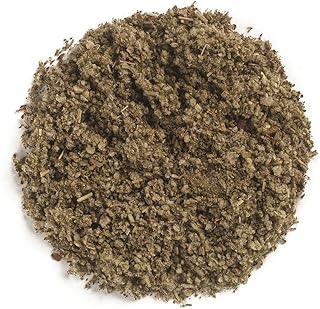
Rubbed sage
Essential · SeasoningSage is the signature flavor of the tested country sausage recipe, about 1¼ tablespoons per 5 pound batch.
✓ In kitMcCormick Rubbed Sage, 0.5 Oz
★★★★★4.7(985)
$4.52
✓ In kitJ Mac Botanicals, Organic Rubbed Sage (4 oz), Certified USDA Organic, Dried Rubbed Sage Leaf. Culinary Grade-excellent for sausage making, fresh Albanian harvest
★★★★★4.7(167)
$9.89
✓ In kitFrontier Co-op Rubbed Sage Leaf, 1-Pound, Sweet, Earthy Flavor With Hints of Mint, Pairs with Garlic & Rosemary, Kosher
★★★★★4.8(991)
$16.00
Rubbed sage is fluffier than ground sage; if you buy ground, use about two-thirds as much.
Crushed red pepper flakes
Essential · SeasoningThe red pepper in the tested recipe gives country sausage its gentle heat, and the same jar seasons hot Italian links later.
✓ In kitSpice Classics Crushed Red Pepper, 12 oz - One 12 Ounce Container of Dried and Crushed Red Chili Pepper Flakes Great for Pizza, Chowder, Seafood, and Pasta
★★★★★4.8(6.3K)
$5.31
✓ In kitMcCormick Crushed Red Pepper, 4.62 oz
★★★★★4.8(7.4K)
$5.93
✓ In kitMcCormick Organic Crushed Red Pepper, 7.75 oz
★★★★★4.8(3.1K)
$10.49
Start with the recipe amount and add more in a test patty before raising it for the whole batch.
Sausage pricker
Recommended · ToolsEvery stuffing session traps a few air pockets, and a pricker's fine needles release them without tearing the casing, so links cook evenly and do not split.
✓ In kitSausage Pricker for Sausage Casings Natural Hog Casing, Summer Sausage Casing, Salami Casing, Sausage Making Supplies
★★★★★4.7(1.2K)
$7.89
✓ In kitSausage Pricker Tool for Making Sausage Stuffer.
★★★★★4.7(168)
$8.97
✓ In kitSausage Pricker Tool - 3 Sharp Stainless Steel Prongs - 5.5 inch - The Sausage Maker
★★★★★4.7(1.5K)
$9.99
A clean sewing needle works in a pinch, but a three-prong pricker is quicker.
Whole fennel seed
Situational · Seasoning · Italian LinksFennel is what makes Italian sausage taste Italian: about 2 tablespoons per 5 pounds, lightly toasted and cracked.
✓ In kitAmazon Grocery, Fennel Seed, 2.5 Oz
★★★★★4.7(3.6K)
$3.56
✓ In kitThe Spice Way Fennel Seed - bulk whole seeds great for tea and cooking 8 oz
★★★★★4.7(3.2K)
$7.99
✓ In kitFrontier Co-op Whole Fennel Seed, 16-Ounce Bulk, Mild Sweet Flavor, Aromatic, Reminiscent of Licorice, Kosher
★★★★★4.6(1.7K)
$10.30
Buy whole seed and crack it yourself; pre-ground fennel loses its aroma fast.
Natural sheep casings (19-26mm)
Situational · Consumables · Breakfast LinksThin breakfast links need narrow sheep casings; hog casings are too wide for them. Sheep casings are tender and snap when you bite them.
✓ In kitLEM Products Natural Sheep Casings, 19–21mm Edible Sausage Casings for Snack Sticks, Hot Dogs, Breakfast Sausage, Pepperoni, Salami, Homemade Sausages, Stuffs Approx. 15 lbs, 5.1 Ounce Package
★★★★☆4.2(1.9K)
$18.49
✓ In kitNatural Sheep Casings 22-26mm for Sausage Making, Makes 19 lb
★★★★☆4.3(103)
$19.99
✓ In kitLEM Products Pre-Tubed Natural Sheep Casings, 19–21mm Edible Sausage Casings for Snack Sticks, Breakfast Sausage, Hot Dogs, Pepperoni, Homemade Sausages, Stuffs Approx. 20–25 lbs, 6.7 Ounce Package
★★★★☆4.4(280)
$37.99
Use the smallest tube on your stuffer and crank slowly; sheep casings tear more easily than hog.
Fresh collagen casings (32mm, beef or halal)
Situational · Consumables · Pork-FreeNatural hog casings are pork, so a pork-free kitchen needs a different skin. Collagen casings made from beef need no soaking and come in the same width as hog casings.
✓ In kitFAIRSKY HALAL Grade A Collagen Sausage Casings, Edible Drying Casing 15m/49ft Longer Length , 32mm/ 1 1/4'' for Flavorous Homemade Sausages, 1 Roll
★★★★☆4.2(599)
$12.99
✓ In kitBearded Butchers 32mm Fresh Edible Beef Collagen Casings (2-Pack) – Holds 25lbs of Meat – For Bratwurst, Italian Sausage & Chorizo – Vacuum Sealed, Ready to Use, No Soaking Required – DIY Sausage Skins
★★★★☆4.3(112)
$18.99
✓ In kitThe Sausage Maker® 32mm Fresh Collagen Casings For Sausage Making, Edible, Clear, Beef Collagen Sticks, 1.25” Diameter Bratwurst, Pepperoni, Italian Sausage, 74 Feet Sausage Skin, Stuff 36 Lbs Meat
★★★★☆4.4(161)
$33.99
This replaces the hog casings line: switch hog casings Out when you add this niche. Check the label says beef or halal, since some collagen casings are made from pork.