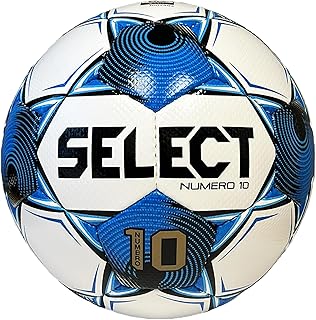
One ball, any patch of ground, and a game the whole world plays.
You can play your first game in the sneakers you already own: pickup soccer needs nothing from you but showing up. The game is two teams moving one ball with their feet toward the other side's goal, and it scales from three friends in a park to full 11-a-side on a marked field. People stay with it because an hour of play is hard cardio that never feels like a workout, the skills are easy to practice alone against a wall, and nearly every town has an adult league that takes beginners.
Difficulty
beginner-friendly
Startup cost
$35-$260
First result
Your first pickup game this week; a clean pass and a controlled first touch after 3-4 weeks of short practices
01First weeks
Kit bag total$0.00
01
Your first two weeks
Tick these off as you go
Your own ball, by the door
02
The rules you need on day one
1Only the goalkeeper may use hands, and only inside their own penalty area. For everyone else, arms and hands are off limits; shoulders, chest, thighs and head are fine.
2A goal counts when the whole ball crosses the line between the posts.
3Ball out over the sideline: the other team throws it in with two hands from behind the head, both feet on the ground. Out over the end line: a goal kick if the attackers touched it last, a corner kick if the defenders did.
4Offside: when a teammate passes forward to you in the opponent's half, you need two opponents (usually the keeper and one defender) level with or closer to the goal line than you. Most pickup and small-sided games drop this rule.
5Tripping, pushing, holding or a deliberate handball gives the other team a free kick. Inside the penalty area it becomes a penalty kick from 12 yards.
6A full match is two 45-minute halves with 11 players a side. Rec leagues often play shorter halves, and small-sided games run 5 to 7 a side on a smaller field.
Grass FieldsThe classic outdoor game, from park pickup to 11-a-side rec leagues. Natural grass calls for firm-ground cleats, whose molded studs dig into the soil.+
Start here
Check your city's parks and recreation page for an adult rec league and sign up as a free agent. Leagues place solo players on teams that are short, so you do not need to bring friends.
Turf FieldsSmall-sided leagues and open play on artificial turf. Turf shoes have dozens of short rubber nubs that grip the carpet without catching in it.+
Start here
Find the nearest small-sided turf complex and book a spot in a 5v5 or 7v7 open-play hour. You pay per session, and with fewer players you touch the ball far more often than in 11-a-side.
Indoor & FutsalFast 5-a-side on a hard court or in a walled arena. Shoes are flat with gum-rubber soles, and futsal uses its own smaller ball that barely bounces.+
Start here
Look for a futsal or indoor open-play night at a rec center, school gym or indoor arena, and go once before joining a league. Bring flat-soled shoes: cleats are not allowed on courts.
Open a surface and add its gear: the kit bag takes that surface's shoes and drops the other two.
GoalkeepingThe one position with hands. It suits people who like reading the play and do not mind diving, and it is played on every surface above.+
Start here
Offer to go in goal at your next pickup game. Teams are always short a keeper, so you will get the spot. Before that, throw a ball against a wall and catch it 50 times with your thumbs nearly touching behind it.
Goalkeeping adds gloves on top of whichever surface you picked.
Cushion the ball so it stops a step in front of you, not three yards away. This one skill decides how much time you have for everything else.
Inside-of-the-foot pass
Plant your standing foot beside the ball pointing at the target, lock your ankle, and follow through low. It is the pass you will use most in any game.
Close dribbling
Push the ball with the outside of your toes on every stride so it never gets more than a foot away.
Striking with the laces
Toe down, knee over the ball, land on your kicking foot. Aim for the corners before you add power.
Your weaker foot
Do every drill on both sides from the start. It is much harder to add later.
05
Choosing a ball and keeping it right
Size
Adults and anyone 12 or older play with a size 5. Size 4 is for ages 8 to 11 and size 3 for younger children.
Cover
A machine-stitched training ball with a textured synthetic cover lasts longest on rough ground. Thermally bonded match balls fly truer and cost more, which matters little while you are learning.
Check before buying
The listing should state the size, and a butyl bladder holds air for weeks where a latex one needs topping up every few days.
Before each session
Press your thumbs into the ball. It should give about a quarter inch. If it is softer, pump it to the range printed by the valve, usually 8.5 to 15.6 psi (most players like 9 to 11).
Care
Wet the needle before you insert it so it does not tear the valve, and store the ball indoors. Heat and cold both change the pressure.
A match ball on the line
06
What trips beginners up
Expect it, then fix it
×You will be out of breath in ten minutes. Soccer is repeated sprints, and game fitness takes four to six weeks of playing to arrive.
×The ball will bounce off you for the first month. A soft first touch only comes from hundreds of repetitions against a wall.
×Chasing the ball: beginners swarm it. Hold your position and let the ball come to your part of the field.
×Kicking with the toe sends the ball anywhere. Use the inside of the foot to pass and the laces to shoot.
×Watching your feet the whole time. Glance up before the ball arrives so you already know where your next pass goes.
×Buying cleats before you know the surface. Studs made for grass are banned on most courts and feel harsh on thin turf.
07
Staying off the injury list
▲Warm up for 10 minutes with jogging, side shuffles, leg swings and a few short sprints. Cold hamstrings and groins are the most common adult soccer injuries.
▲Wear shin guards in every game, pickup included. A kick to a bare shin can crack the bone.
▲Match your shoes to the surface. Long studs on artificial turf can lock your foot in place while your knee keeps turning, which is how ligaments tear.
▲After any knock to the head, stop for the day. Dizziness, headache or confusion means seeing a doctor before you play again.
▲Drink water before and at halftime, and in hot weather take a break every 20 to 30 minutes. Cramping, nausea or chills are signs to stop.
▲Take off rings, watches and earrings. Leagues require it, and they cut other players as easily as you.
A slide tackle, shins first
08
Where to learn and find a game
Adult rec leagues are the quickest way in: most run a beginner or recreational division, charge by the season, and place free agents on teams. City parks departments and small-sided turf complexes run their own leagues too. For technique, short video lessons followed by wall practice work better than reading. Watching a professional match helps as well: pick one player in the position you play and follow them, not the ball, for ten minutes.
The base kit is small because the game is: a ball, a pump, shin guards, socks and a few cones cover practice and any pickup game. Shoes are the one real choice, and they depend on the surface, so each surface has its own add-on. Pick one to start. Spend on shoes that fit before anything else, since a budget ball and budget guards do the same job as expensive ones for a beginner. League fees are separate: you pay per player, per season, when you register.
Socks up, shoes for the surface
10
Pack the kit bag
Compare the options below, then set your tiers and check out from the kit bag. Clicking a card selects it there. The ball, pump, shin guards, socks and cones start in the bag. Shoes, the futsal ball and keeper gloves join once you switch on where you play.
Size 5 soccer ball
essential · Core equipment
Your own ball is what makes daily wall practice possible, and it means a game can always start.
✓ In kitbudget
Champion Sports Viper Soccer Ball – TPU Soft-Touch Training Ball in Sizes 3,4,5 for Indoor/Outdoor Play
Sized by height. Slip-in guards are light and need long socks or sleeves to stay put; guards with an ankle sleeve stay on by themselves and add ankle padding.
Soccer socks
recommended · Clothing
Knee-high socks pull over shin guards to hold them in place, and referees expect guards to be covered.
✓ In kitbudget
adidas Copa Zone Cushion Over-the-Calf Soccer Socks 1 Pair
Fit should be snug with about a quarter inch at the toe. Try them on with soccer socks. Synthetic uppers are cheaper and dry fast; leather molds to your foot.
Turf soccer shoes
situational · Footwear · Turf Fields add-on
Short rubber nubs spread your weight across artificial turf and grip it without sticking the way long studs do.
WVVOU Soccer Goalie Gloves for Adults and Youth, High Performance Goalkeeper Gloves with 5 Detachable Finger Saves, Soccer Gloves with 4mm Sticky Latex Palm
Elite Sport Black Goalkeeper Gloves, Removable Finger Spines, Pro-Level Goalkeeper Gloves for Superior Grip and Control (Black Solo, 4mm Control MB Latex)
Sized 4 to 11 by hand length: measure from wrist to middle fingertip and check the chart. Finger spines help prevent bent-back fingers. Dampen the palms before play for better grip.