Train like an ocean lifeguard and race in the surf with your club.
Surf lifesaving is the sport that grew out of beach rescue. Club members train the skills ocean lifeguards use (reading rips, swimming out through breaking waves, towing a swimmer back with a rescue tube, paddling a rescue board) and then race each other in those same skills: ocean swims, board paddles, beach sprints and the scramble for a baton in beach flags. If you can already swim, the club usually supplies the boards and rescue gear, so a beginner mainly needs swim basics and sun protection. People come for the fitness, stay for the crew on the sand at 6 a.m., and come away able to help someone in trouble in the water.
Difficulty
moderate learning curve
Startup cost
$165-$800
First result
Your first rescue-tube tow at a club session in week one; a first beach race within a season
Leg 01
Sessions
01
What a club session looks like
Most sessions run an hour or two on the beach, often early morning before the wind picks up. A coach checks the surf, points out the rips, and splits the group by ability. A typical session mixes a warm-up run on soft sand, swim sets just past the break, rescue drills where you swim a tube out to a partner and tow them back, and a few rounds of beach sprints or flags. Some clubs add a weekly pool session for stroke work in winter. Competitions (called carnivals in Australia) run from late spring to early fall, with age groups from juniors to masters, so adults starting from scratch race people their own age.
Eyes on the water, fins and tube ready on the sand
02
Ways into the sport
Swim, sprint, paddle, or start young
Ocean swimming and rescueSurf swims, run-swim-run races and rescue-tube relays. This is the heart of the sport and what lifeguard qualifications are built on.+
Start here
Ask your local USLA chapter or beach lifeguard agency about its open-water swim training, then book a timed 500-meter pool swim to see where you stand.
Beach sprint and flagsShort races on soft sand, plus beach flags, where you lie face down, then spin, sprint and dive for a baton. No swimming needed, so it suits strong runners.+
Start here
Turn up to a club beach session in shorts and bare feet and ask to run a few flags heats; starts and dives are taught on the spot.
Board paddlingRacing a long, narrow rescue board lying down or kneeling through the waves. Clubs own the boards, so beginners learn on theirs.+
Start here
Ask your club for a supervised session on a club rescue board in flat water before you try paddling out through waves.
Junior lifeguardsSummer programs for kids roughly 9 to 17 that teach ocean skills and lead into competition. A common family way in.+
Start here
Look up the junior lifeguard program run by your nearest city or county beach agency; most open registration in early spring and fill quickly.
Open a card for the first thing to do this week. None of these needs extra gear beyond the base kit: the club supplies boards and rescue tubes.
03
Ocean safety comes first
Read the water before you go in
Never train in the surf alone. Swim at a lifeguarded beach or with your club, inside the area the coach sets.
Learn to spot a rip: a darker, calmer channel where waves are not breaking, often with foam or debris moving seaward. If caught, swim parallel to shore or float and signal; do not fight it head-on.
Shuffle your feet when wading in warm, sandy shallows so you nudge stingrays away instead of stepping on them.
Check the surf forecast and water temperature before every session. Below about 65°F, cold shock and fatigue arrive fast without a wetsuit.
A real rescue is different from a drill. Without a lifeguard certification, call for help and throw something that floats before you think about swimming out.
You need to be a comfortable swimmer before day one: able to swim several hundred yards of freestyle without stopping and to tread water for a few minutes. The US benchmark for ocean lifeguards is a 500-meter swim in 10 minutes or less, and many clubs use something close to it as their entry check for surf swims. If you are well short of that, spend a month or two doing three pool sessions a week first; beach sprint and flags are open to non-swimmers in the meantime.
US ocean benchmark
500 m
In 10:00 or less
05
Your first month
The rescue tube you learn to swim with
06
Skills to work on first
Surf entry and exit
High-stepping through shallows, dolphin-diving under broken waves, and catching a wave back in.
Reading the water
Spotting rips, sets and sandbars, and timing your run into the gaps between sets.
Sighting
Lifting your eyes every few strokes to hold a line to a buoy instead of swimming blind.
Rescue-tube handling
Clipping the tube around a patient and towing them while keeping your own airway clear.
Starts and turns
The beach-flags spin, sprint starts in soft sand and fast turns around a buoy.
07
What trips beginners up
Pool fitness does not transfer one-to-one. Waves, current and sighting make the same distance feel much harder at first.
Getting out through the break is the hardest part early on; expect to get pushed back to shore a few times.
Board paddling takes weeks of falling off before it feels stable, so budget time for it.
Sand running is brutal on calves. The first week of soft-sand sprints will leave you sore.
Habit to drop: going out wide and swimming straight. Duck early, sight often, and use the waves instead of fighting them.
Habit to drop: skipping sunscreen on cloudy mornings. Hours on an open beach add up fast.
Habit to drop: buying a racing board or surf ski in your first season. Use club craft until you know which event you love.
A beach sprint on soft sand
08
Where to learn
Your club coach is the main teacher in this sport, because the ocean skills only come from doing them in real surf. Between sessions, the US and Australian governing bodies publish event explainers, junior program details and club finders, and the international federation's rulebook explains exactly how each race works. Weather service rip-current pages are worth reading before your first session.
Clubs own the expensive equipment (rescue boards, surf skis, rescue tubes, flags batons), so a beginner's kit is the personal swim gear you wear every session plus sun protection. Fins come into play once rescue swims start. A wetsuit only matters where the water stays cold; check whether your club's competitions allow one before buying. Expect a separate club or program fee on top, usually the biggest single cost of a season.
Boards and tubes: the club's kit, not yours
10
Pack the beach bag
Every line, with its options side by side
The first line is not something you buy online: it is your club or junior lifeguard program, which also lends you the boards and rescue tubes. The rest is the swim gear you wear every session. The wetsuit and neoprene cap join the kit only when you switch on Cold Water. Clicking a card selects it in the cart, and clicking the selected card again takes that line out.
Item 01
Surf lifesaving club membership or junior lifeguard program
Essential · Training
Surf rescue skills have to be learned in real waves under a coach who is watching the conditions, and the club supplies the boards and rescue gear.
Not sold on Amazon
Not sold on Amazon. Look for a club affiliated with the United States Lifesaving Association or a city or county beach lifeguard agency's training group. Adult club memberships typically run $100 to $250 a year; summer junior lifeguard programs often cost $300 to $600.
Item 02
Training swimsuit
Essential · Swim gear
Board shorts and fashion bikinis drag, ride up and come loose in waves. A snug training suit stays put through dives and tows.
✓ In kitbudget
Mens Swimsuit Jammer Endurance+ Solid USA Adult
★★★★★4.5(4.9K)
$34.51
Womens Swimsuit One Piece Endurance+ Super Pro Solid Adult
Choose neon orange, yellow or pink when you pick the color. Clubs often hand out their own colored cap for races. The dearest option is a roomier cut for long hair.
Item 05
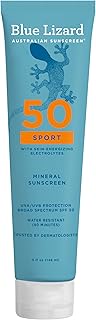
Water-resistant mineral sunscreen SPF 50
Essential · Sun protection
Sessions mean hours on an open beach with sun reflecting off water and sand.
✓ In kitbudget
Coppertone Sport Mineral Sunscreen Lotion SPF 50, 5 FL OZ
Pick Men's or Women's and size from the maker's chart. The cheapest option is a thin surf wetsuit, warm and tough enough for beach drills; the two dearer ones are swim-cut suits that float your hips and free your shoulders for long swims. Check your club's race rules first: many surf events ban wetsuits above a set water temperature.
Item 09
Neoprene swim cap
Situational · Cold-water gear · Cold Water add-on
Most body heat in cold water is lost through the head, and a neoprene cap also eases ice-cream headaches.
✓ In kitbudget
TYR Cold Water Swim Cap - Insulated Thermal Cap for Triathlon Training