Give a few hours a month to something that needs doing.
You already own everything a first shift asks for: closed-toe shoes, clothes that can get dirty, and a free morning. Volunteering means giving unpaid time to a nonprofit, school, park or neighbor, anywhere from sorting cans at a food bank to walking shelter dogs to answering a nonprofit's spreadsheet questions from your couch. People stay with it because the work is visibly useful and the crew turns into friends. A regular shift also gives the week a fixed point that has nothing to do with a job or a screen.
Difficulty
beginner-friendly
Startup cost
$10-$75
First result
Your first shift within a week or two of signing up
Hello, I'mNew here
Shift 01
▶
The Shift
Shift bag total$0.00
01
What a shift is actually like
Most volunteer work is organized into shifts of two to four hours. You check in, a staff member or lead volunteer shows you one job, and you do that job alongside a handful of other people until the time is up. The tasks are usually plain: bagging produce, pulling invasive plants, folding newsletters, reading with a second grader, handing out water at mile six. Some roles are one-time and need nothing but a sign-up. Others, mostly anything involving children, patients, animals or people in crisis, ask for an application, a background check and a regular weekly or monthly slot. A good starting pace is one shift a month, moving to weekly once you find a place you like.
Plating meals on a kitchen line
02
Your first month
Handing out bags at a food distribution
03
Kinds of volunteering to try
Seven ways to spend a shift
Food banks and meal programsSorting donations, packing boxes and serving meals. The easiest place to start, with open shifts most days of the week.+
Start here
Look up your regional food bank, open its volunteer calendar, and book one warehouse sorting shift. They run most days, take groups and solo sign-ups, and need no training beforehand.
Outdoor CleanupPicking up litter, clearing trails and pulling invasive plants in parks, along rivers and on beaches. You can also do it alone on your own street.+
Start here
Find a scheduled cleanup at a nearby park, river or beach and sign up, or walk your own block for 30 minutes with a bag and a grabber. Add the cleanup gear to your kit first.
Building & RepairFraming, painting and fixing homes with a crew. Sites teach every task and supply the tools.+
Start here
Find your local home-building affiliate and register for a single build day. Say on the form that you are new: first-timers get painting, siding or cleanup, not a saw.
Animal shelters and rescuesCleaning kennels, doing laundry, walking dogs and socializing cats. Expect an orientation and a regular schedule.+
Start here
Fill out the volunteer application at your nearest shelter or rescue this week. Expect an orientation session before you touch an animal, and plan on a weekly slot, since shelters schedule around regulars.
Tutoring and mentoringReading with kids, homework help, or teaching English to adults. Background checks are standard and commitments run by the semester.+
Start here
Ask your public library or school district about reading-buddy and homework-help programs. Apply now: the background check can take two to three weeks before your first session.
Remote and skills-basedLending professional skills such as design, bookkeeping or translation to a nonprofit, or taking short calls and texts from home.+
Start here
List two things you are good at for work, then browse open projects that ask for them and apply to one with a clear end date of a month or less.
Events and racesCheck-in desks, water stations and setup crews for charity runs, festivals and sales. One day, no ongoing commitment.+
Start here
Pick a charity run, festival or library sale happening in the next month and sign up for one job on its volunteer page, such as a water station or check-in desk.
Open a card to see what to do first. Outdoor Cleanup and Building & Repair each end in a button that adds that shift's gear to the kit. The other five need nothing beyond the base kit.
▲Roles with children, patients, older adults or money require a background check. Legitimate organizations run it through their own screening provider and often cover the fee. Where they do not, it is typically $15 to $40.
▲You will sign a liability waiver for almost any physical shift. Volunteers under 18 need a guardian's signature, and many sites set a minimum age of 14 or 16, with younger kids allowed alongside a parent.
▲Be wary of any listing that asks you to pay a large placement fee, wire money or hand over bank details. Local volunteering does not cost hundreds of dollars.
▲On cleanups, never pick up needles, broken glass with bare hands, or sealed containers of unknown liquid. Flag them for the organizer.
▲On build sites, do only the tasks you were shown, and say so if you have never used a tool before. Nobody minds, and the crew lead needs to know.
▲Roles that involve other people's hardship can weigh on you. Use the debriefs the organization offers and say when a shift was hard.
05
What trips beginners up
×The first shift is often dull. New volunteers get the simple jobs until staff know they will show up again.
×Sign-ups for popular shifts fill weeks ahead, especially around Thanksgiving and December. January through March is when most places are short of help.
×Screening for the roles people picture first (hospitals, mentoring, crisis lines) can take a month or more, so start with a drop-in shift while the paperwork runs.
×Committing to a weekly slot on day one. Try two or three places first, because the people matter as much as the cause.
×Not showing up. A missed shift can mean a crew too small to open the line, so cancel in the system as early as you can.
×Arriving with ideas for how they should run things. Spend a few months doing the work before suggesting changes.
×Bringing donated goods nobody asked for. Check the organization's needs list first, because sorting unwanted items costs them staff time.
Picking up a bottle on a litter cleanup
06
Where to find shifts
Listing sites are the fastest route, but they do not show everything. Many small organizations only post on their own website or a paper sign-up sheet, so it is worth calling the places you walk past: the library, the senior center, the community garden, the school office. Your employer may also offer paid volunteer hours or organize group days, and a local volunteer center can match you with agencies that are short-handed right now.
Volunteering costs nothing to start, and organizations hand out whatever a shift requires, from gloves to hard hats. The list below is for the point where you are going regularly. The two general items solve the problems every site shares: no drinking fountain nearby and nowhere safe to leave a phone and keys. The add-on kits are for the two directions where your own gear is noticeably better than the shared bin, either because it fits your hands and face or because you want to head out on your own without waiting for an organized event.
08
Pack for your shift
Every line, with its options side by side
The first line is not something you buy online: it is the sign-up and, for some roles, a background check, both handled by the organization. For the rest, compare the options on each line, then set your tiers and check out from the cart. Clicking a card selects it there, and clicking the selected card again takes that line out. The water bottle and waist pack start in the kit. The coated gloves, litter grabber, safety vest and sunscreen join when you switch on Outdoor Cleanup, and the leather gloves and safety glasses with Building & Repair.
Line 01
Volunteer registration and background check
Essential · Sign-up
Every organization needs you in its system before a shift, and roles with children, patients or older adults add a background check.
Not sold on Amazon · free on the organization's own site
Not sold on Amazon. Registration is free and done on the organization's own website. Where a background check is required, the organization sends the link and often pays for it. Otherwise expect $15 to $40, and never pay a third party that contacts you first.
Line 02
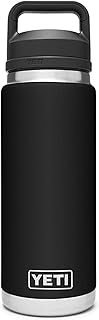
Insulated water bottle
Recommended · Everyday carry
Warehouses, trails and event tents rarely have a fountain close by, and a three-hour shift on your feet goes badly without water.
✓ In kitbudget
Owala FreeSip Stainless Steel Water Bottle 24 oz Denim
Pick one with a loop or handle and a lid that seals, so it can sit on a shelf or hang from a bag while you work. Write your name on it.
Line 03
Waist pack
Recommended · Everyday carry
Most sites have no lockers and ask you not to bring a backpack onto the floor. A small pack keeps your phone, keys and ID on your body with both hands free.
✓ In kitbudget
Large Fanny Pack for Women Men Crossbody Bag with 4-Zipper Pockets
DEX FIT Nitrile Work Gloves FN330, 3D Comfort Fit, Touchscreen Grip Gloves for Warehouse, Construction, Package Handling, Delivery & General Work, Men & Women, Black, M, 3 Pairs
Sold by hand size, not by gender. Measure around your palm and follow the size chart, since loose gloves snag. Multi-pair packs are useful because pairs wear through.
Most are sized by hand, not by gender. Where an option shows a Men's / Women's switch, pick Men's or Women's to match your hand shape. They should be snug across the palm with no extra length at the fingertips.
Line 09
Safety glasses
Situational · Safety gear · Building & Repair add-on
Eye protection is required around hammering, sawing and scraping. A pair that fits your face and does not fog is one you will keep on.
✓ In kitbudget
TICONN Anti-Fog Safety Glasses for Men & Women, ANSI Z87.1 Eye Goggles
NoCry Clear Safety Glasses for Men and Women with Anti-Fog and Scratch Resistant Wrap Around Lenses, Adjustable Temples and Nose Pads — ANSI Z87 Certified Protective Eyewear with 100% UV Shielding