Skip to content

Starter guide

Worm Farming

Keep a bin of red wigglers that turn kitchen scraps into plant food.

Worm farming is keeping a few hundred composting worms in a ventilated bin and feeding them your fruit and vegetable scraps. The worms eat the scraps and their damp paper bedding, and leave behind castings: a dark, crumbly, earthy-smelling material that gardeners pay for by the bag. A healthy bin has no bad smell, fits in a closet or under a sink, and takes about ten minutes a week. People keep one to shrink their trash, to feed houseplants and seedlings, and because a box of animals that quietly eats garbage is oddly satisfying to look after.

Difficulty
beginner-friendly
Startup cost
$90-$230
First result
Worms eating your scraps within a week, and a first tray of castings in 3 to 4 months
Bin total$0.00
01

What keeping a worm bin involves

Once or twice a week you lift the lid, pull back the bedding in one corner, tip in a cup or two of chopped scraps, and cover them again. While you are in there you check two things: that the bedding feels like a wrung-out sponge, and that the last feeding is mostly gone. The worms do the rest. They are red wigglers, a surface-dwelling species that lives in rotting leaves rather than soil, which is why they thrive in a shallow box and garden earthworms do not. Every three or four months you separate the worms from what they have made and start a fresh tray.

Close-up of thin red worms threading through crumbly brown bedding
Red worms in crumbly bedding
02

Your first two weeks

What your bin gives you in the first month

A settled colony

By the end of week one the worms stop exploring the lid and gather under the food, which tells you the bedding is right.

A vanished feeding

A cup of chopped scraps buried in one corner is mostly gone ten days later, leaving dark specks where it sat.

First cocoons

Lemon-shaped, straw-colored capsules the size of a match head show up in the bedding around week three or four.

A pinch of castings

By week four the oldest feeding corner has enough dark crumbs to top-dress one houseplant.

Several hands sorting orange peel and chopped vegetable scraps into clear plastic tubs
03

What goes in the bin

Peels, cores, grounds and torn paper

Feed freely

Fruit and vegetable peels and cores, coffee grounds with the paper filter, loose tea leaves, stale bread in small amounts, and crushed eggshells.

Feed sparingly

Citrus, onions, garlic, and tomatoes. They are acidic or pungent, and worms leave them until everything else is gone.

Keep out

Meat, fish, dairy, oily or salty leftovers, and pet waste. They rot before the worms can eat them, and that is where smells and pests come from.

Paper counts as food

Add a handful of torn cardboard, newspaper, or egg carton with every feeding. It soaks up the water that scraps release.

Smaller is faster

Chop scraps to an inch or less, or freeze and thaw them first. Freezing softens the food and kills fruit fly eggs.

How much

A pound of settled worms gets through about half a pound of scraps a day at most. Start with a quarter of that and let the leftovers tell you when to add more.

04

Choosing a bin and checking on it

Stacking trays

The easiest design to harvest. When one tray is full you set an empty one on top, feed there, and the worms climb up through the mesh floor on their own.

Size

About one square foot of surface for each pound of scraps you make in a week. Worms feed near the top, so a wide, shallow tray beats a deep one.

Airflow and drainage

Look for vents in the lid or walls and a base that collects liquid with a tap to drain it. A sealed box goes sour within days.

Dark and opaque

Worms avoid light, so skip clear plastic.

The homemade route

Two opaque storage totes nested together, with small holes drilled in the lid and the floor of the inner one, work as well as a bought bin. Harvesting just takes longer.

Each time you feed

Squeeze a handful of bedding. A drop or two of water is right, a stream means add dry paper, and nothing at all means sprinkle water over the top.

Once a week

Open the tap. Liquid in the base is a sign the bin is too wet, and it should be poured out rather than saved.

An open hand holding a mound of dark, crumbly compost above a garden bed
05

Harvesting the castings

Dark, crumbly and three to four months in the making

When it is ready

The tray is dark brown, crumbly, and smells like a forest floor, and you can no longer pick out the bedding or the food. Expect three to four months for the first tray.

In a tray bin

Once the worms have had two to three weeks to move up into the new tray, lift it off and empty the finished one underneath.

In a single bin

Tip the contents onto a tarp in small cone-shaped piles under a bright light. The worms dive away from the light, so you can skim castings off the top every ten minutes until only a ball of worms is left.

Rescue the stragglers

Put any worms and the tiny straw-colored cocoons you spot back in the bin. Each cocoon holds two or three babies.

Using them

Mix one part castings into four parts potting mix, or spread a half-inch layer around a plant and water it in.

Storing them

Keep castings slightly damp in a container with air holes. Sealed and dried out, the microbes that make them valuable die off.

06

What trips beginners up

Overfeeding

The cause of nearly every problem. Uneaten food turns sour, heats up, and drives worms to the walls. If food is still there after a week, stop adding more.

A wet bin

Scraps are mostly water, and a soggy bin smells and suffocates worms. Mix in dry torn cardboard until the squeeze test passes.

Fruit flies

They find any food left on the surface. Bury every feeding and keep a 2-inch layer of dry shredded paper on top.

Heat and cold

Worms slow down below 50°F and start dying above 85°F. Move a garage or balcony bin indoors for summer heat waves and hard freezes.

Other residents

Tiny white springtails, mites, and pot worms turn up in most bins and do no harm. A sudden boom of them means the bin is too wet or too acidic, so feed less and add crushed eggshells.

Slow starts

New worms eat very little for the first two or three weeks. That is normal and not a reason to add more food.

Escapes

A few worms on the lid after rain or a move is normal. A mass exit means something in the bin is wrong, usually too much food or too much water.

07

Where to learn more

The EPA publishes a short guide to building and running an indoor bin from a storage tote. NC State Extension runs one of the largest university worm composting programs in the country, with free articles on feeding, troubleshooting, and harvesting. When something in your bin looks wrong, post a photo to the Vermiculture community on Reddit, where someone has usually seen it before. Many county extension offices and city recycling programs also run low-cost worm bin workshops, and some send you home with worms.

A few pink worms lying on dark bedding in a small white tub
Worms on dark bedding in a small tub
08

How the kit is put together

The bin and the worms are the only two things you cannot do without, and together they make up most of the cost. Everything after that makes the routine easier: coir gives the first tray an even, forgiving bedding, a countertop caddy means one trip to the bin instead of five, a hand cultivator buries food without slicing worms, and a thermometer tells you when a garage bin needs to come inside. The sifter is the one item to leave until your first harvest is a few weeks away. Worms never need replacing. A healthy colony doubles every three months or so and levels off at what the bin can hold.

A worm in a pinch of dark crumbs on an open palm
09

Stock the worm bin

A bin, the worms, and four things that make the routine easier

Compare the options on each line, then set your tiers and check out from the kit list. Clicking a card selects it there, and clicking the selected card again takes that line out. The castings sifter stays out of the total until you switch it on.

Stacking tray worm bin

Essential · Core equipment

Worms need a dark, ventilated box that drains. Stacked trays also let them sort themselves out of the finished castings, which saves you the messiest job.

budget
VIVOSUN 3-Layer Worm Compost Bin, 30L Worm Composter

VIVOSUN 3-Layer Worm Compost Bin, 30L Worm Composter

4.3(167)

$61.74

View on Amazon
mid-range
The Original VermiHut® Plus 5-Tray Worm Composter – Indoor & Outdoor Vermicomposting Bin | Sustainable Design for Food Waste Recycling- Black

The Original VermiHut® Plus 5-Tray Worm Composter – Indoor & Outdoor Vermicomposting Bin | Sustainable Design for Food Waste Recycling- Black

4.5(1,920)

$79.95

View on Amazon
premium
Worm Factory® 360 Black US Made Composting System for Recycling Food Waste at Home – 4 Trays for Efficient Vermicomposting – Durable, Space-Efficient Design, Easy to Assemble, No Odor

Worm Factory® 360 Black US Made Composting System for Recycling Food Waste at Home – 4 Trays for Efficient Vermicomposting – Durable, Space-Efficient Design, Easy to Assemble, No Odor

4.4(1,860)

$134.95

Only 1 left in stock - order soon.

View on Amazon

Start with one tray in use and add the others as each fills. Some bins come with a small bedding brick or a plastic hand rake, enough to get the first tray going, so check what is in the box before adding those lines.

Live red wiggler composting worms

Essential · Livestock

Red wigglers are the species that lives and feeds in a shallow bin. Earthworms dug from the yard burrow deep and will not stay.

budget
250 Red Worms Red Wigglers Compost Worms

250 Red Worms Red Wigglers Compost Worms

4.4(935)

$28.99

View on Amazon
mid-range
Uncle Jim's Worm Farm 1000 Count Red Wiggler Composting Worms Mix for Garden Soil or Fishing | Pack of Compost Worms Improves Soil Structure and Quality for Healthier Gardens

Uncle Jim's Worm Farm 1000 Count Red Wiggler Composting Worms Mix for Garden Soil or Fishing | Pack of Compost Worms Improves Soil Structure and Quality for Healthier Gardens

4.5(3,379)

$59.95

View on Amazon
premium
Red Wigglers Composting Worms, 2lb Red Worms for Composting for Gardens

Red Wigglers Composting Worms, 2lb Red Worms for Composting for Gardens

4.3(1,438)

$89.99

View on Amazon

They ship live, so have the bin bedded before they arrive, be home for delivery, and avoid ordering in a heat wave or hard freeze. Sold by count or by weight: about 1,000 worms make a pound. A pack of 250 works if you feed lightly for the first two months while they multiply.

Coconut coir bedding brick

Recommended · Consumables

Coir holds water evenly and does not compact or sour, so it is the most forgiving bedding while you learn how damp a bin should be.

budget
Organic Coco Coir 1 Pcs Compressed Coconut Coir Brick Coconut Fiber Husk Substrate Mulch Coconut Bark Core Growing Medium Peat Moss Soil High Nutrition for Plants Gardening Seed Starting Soil Mix

Organic Coco Coir 1 Pcs Compressed Coconut Coir Brick Coconut Fiber Husk Substrate Mulch Coconut Bark Core Growing Medium Peat Moss Soil High Nutrition for Plants Gardening Seed Starting Soil Mix

4.4(1,140)

$6.98

View on Amazon
mid-range
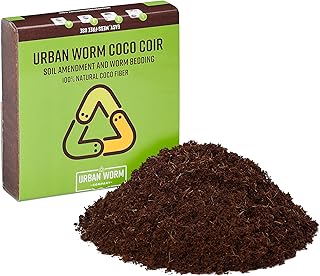
Urban Worm Coco Coir Soil Amendment and Bedding

Urban Worm Coco Coir Soil Amendment and Bedding

4.7(1,679)

$11.99

View on Amazon
premium
Coco Coir 650gm Bricks (5-Pack) - Organic Coco Coir for Plants & Gardening - OMRI-Listed Cocopeat for Garden Soil, Seed Starter Soil, & Mulch - Organic Coconut Bricks - Coconut Fiber Potting Mix

Coco Coir 650gm Bricks (5-Pack) - Organic Coco Coir for Plants & Gardening - OMRI-Listed Cocopeat for Garden Soil, Seed Starter Soil, & Mulch - Organic Coconut Bricks - Coconut Fiber Potting Mix

4.7(7,351)

$24.99

View on Amazon

One brick beds several trays. Mix it half and half with torn newspaper or cardboard to stretch it.

Countertop scrap caddy

Recommended · Core equipment

Worms are fed once or twice a week, so scraps need somewhere to wait. A lidded caddy holds a few days' worth by the cutting board without flies.

budget
LALASTAR Food Waste Basket Bin for Kitchen, Small Countertop Compost Bin with Lid, Odor-Free Food Scrap Container, Wall Mounted Garbage Can, 3L/0.8 Gal, Green

LALASTAR Food Waste Basket Bin for Kitchen, Small Countertop Compost Bin with Lid, Odor-Free Food Scrap Container, Wall Mounted Garbage Can, 3L/0.8 Gal, Green

4.4(4,192)

$14.99

View on Amazon
mid-range
Epica Kitchen Compost Bin for Kitchen Countertops, 1.3 Galllon - Copper

Epica Kitchen Compost Bin for Kitchen Countertops, 1.3 Galllon - Copper

4.6(21,001)

$29.98

View on Amazon
premium
OXO Good Grips Easy-Clean Compost Bin, White, 1.75 Gal/6.62 L

OXO Good Grips Easy-Clean Compost Bin, White, 1.75 Gal/6.62 L

4.6(18,091)

$37.95

View on Amazon

About one gallon is plenty. A lidded container in the freezer does the same job.

Hand cultivator

Recommended · Tools

You pull back bedding and bury food at every feeding. Blunt tines lift the bedding without cutting worms the way a trowel does.

budget
Hand Rake Garden Tool, Heavy Duty Hand Cultivators for Gardening Weed Rake

Hand Rake Garden Tool, Heavy Duty Hand Cultivators for Gardening Weed Rake

4.8(380)

$6.99

View on Amazon
mid-range
Edward Tools Aluminum Hand Cultivator - Rust Proof Aluminum Cultivator for Weeding and Turning Soil

Edward Tools Aluminum Hand Cultivator - Rust Proof Aluminum Cultivator for Weeding and Turning Soil

4.7(454)

$11.95

Only 16 left in stock - order soon.

View on Amazon
premium
Fiskars Xact Hand Cultivator, Stainless Steel Weeder, Durable Garden Tool

Fiskars Xact Hand Cultivator, Stainless Steel Weeder, Durable Garden Tool

4.8(214)

$15.40

View on Amazon

Soil thermometer

Recommended · Tools

The middle of a bin runs warmer than the room, and worms feed best between 55 and 77°F. A probe pushed into the bedding shows the number that matters.

budget
Taylor Soil Thermometer for Seed Germination and Planting

Taylor Soil Thermometer for Seed Germination and Planting

4.4(783)

$10.79

View on Amazon
mid-range
Urban Worm Soil Thermometer - 5-in Stainless Steel Stem - Perfect for Gardening & Worm Bin

Urban Worm Soil Thermometer - 5-in Stainless Steel Stem - Perfect for Gardening & Worm Bin

4.6(1,277)

$12.49

View on Amazon
premium
Stainless Steel Soil Thermometer by Smart Choice| 127mm Stem, Easy-to-Read 1.5” Dial Display, 0-220 Degrees Fahrenheit Range | Soil Temperature Thermometer for Ground, Compost, Garden Soil

Stainless Steel Soil Thermometer by Smart Choice| 127mm Stem, Easy-to-Read 1.5” Dial Display, 0-220 Degrees Fahrenheit Range | Soil Temperature Thermometer for Ground, Compost, Garden Soil

4.5(827)

$17.97

View on Amazon

A 5-inch stem reaches the center of one tray.

Castings sifter

Optional · Tools

For later: at harvest a fine mesh separates finished castings from stray worms, cocoons, and uneaten bits, which matters when the castings go into seedling mix.

budget
2PCS Soil Sifter for Gardening with Handle, Rock Sifter for 5 Gallon Bucket, Compost Sifter Soil Sifter with Brush & Gloves, 1/4in, 1/8in, 3/8in Mesh Garden Sifting Screen Gravel Sawdust Vermicompost

2PCS Soil Sifter for Gardening with Handle, Rock Sifter for 5 Gallon Bucket, Compost Sifter Soil Sifter with Brush & Gloves, 1/4in, 1/8in, 3/8in Mesh Garden Sifting Screen Gravel Sawdust Vermicompost

4.6(38)

$16.99

Only 12 left in stock - order soon.

View on Amazon
mid-range
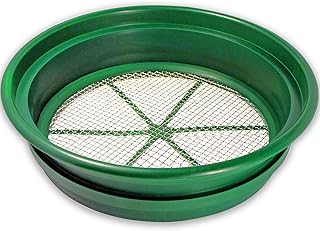
SE 13.25 Inch Wide Stackable Classifier Gold Prospecting Pan - 1/8 Inch Stainless Steel Mesh Sifting Pan, Green

SE 13.25 Inch Wide Stackable Classifier Gold Prospecting Pan - 1/8 Inch Stainless Steel Mesh Sifting Pan, Green

4.7(7,050)

$24.99

View on Amazon
premium
Vego Garden Modular Garden Sifter Multiscreen Kit

Vego Garden Modular Garden Sifter Multiscreen Kit

4.5(7)

$49.95

Only 20 left in stock - order soon.

View on Amazon

Look for mesh of 1/8 to 1/4 inch. Let the castings dry for a day first or they clog the screen.